
Introduction
If you experience tailbone discomfort, lower back pain, or numbness after sitting for long periods, a round hole pillow may offer a simple and effective solution. Its central cutout design helps reduce direct pressure on the coccyx, allowing the sit bones to distribute weight more evenly and support better sitting posture.
Unlike flat cushions that lose shape over time, a round-hole pillow for tailbone support is designed to enhance sitting comfort during extended use, making it suitable for office workers, drivers, and individuals recovering from coccyx discomfort.
In this article, we will explore how round hole pillows work, their key benefits, and why they are widely used for pressure relief and ergonomic seating support.
What Is a Round Hole Pillow? Understanding the Design
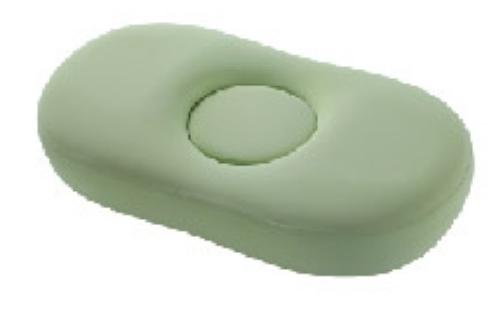
A round hole pillow (also known as a donut cushion, ring cushion, or coccyx relief cushion) is an orthopedic seat pad featuring a central circular opening or cutout. This hole is precisely positioned to align with the coccyx (tailbone) when the user sits, allowing that bony prominence to “float” freely without contacting the cushion or the underlying chair surface.
The product we’ll reference throughout this guide—offered by Nantong Hengjia Home Technology Co., Ltd.—measures 58 cm × 35 cm × 8 cm (approximately 22.8 inches × 13.8 inches × 3.1 inches) and weighs 980 grams (about 2.16 pounds). It is crafted from polyester double-sided fabric for a soft, breathable surface that remains comfortable against the skin.
This simple yet ingenious design has profound biomechanical implications. When sitting on a standard flat cushion or chair, the tailbone—being the lowest point of the spine—bears significant compressive force. Over time, this pressure can:
-
Irritate the sacrococcygeal joint.
-
This causes inflammation of the surrounding ligaments.
-
Lead to localized ischemia (reduced blood flow).
-
Contribute to the formation of pressure sores in vulnerable individuals.
By removing contact at this exact point, a round hole pillow for pressure relief allows the softer, more resilient gluteal muscles and adipose tissue to support the body, spreading the load across a larger surface area.
How a Round Hole Pillow Works: The Science of Pressure Offloading
The biomechanics behind a round hole pillow for sitting comfort are rooted in the principle of pressure offloading. When seated, up to 75% of body weight is concentrated on less than 10% of the sitting surface—specifically, the two ischial tuberosities (the bony “sit bones”) and the coccyx. Flat cushions distribute this load inadequately, often transferring pressure directly to the tailbone, especially when slouching or leaning backward.
Pressure Distribution Mechanics
A round hole pillow works through three distinct mechanisms:
-
Localized pressure elimination: The central hole removes contact with the coccyx entirely, relieving direct compression on this sensitive area. Many users prefer this design because no part of the cushion touches near the tailbone.
-
Weight redistribution: With the tailbone offloaded, the gluteal muscles and ischial tuberosities take on the body weight more evenly, reducing peak pressure points.
-
Improved pelvic alignment: The elevated and contoured design promotes a slight anterior pelvic tilt, which naturally aligns the lumbar spine and reduces lower back strain. Physical therapists and orthopedic specialists routinely recommend donut-shaped cushions to patients with coccydynia, tailbone fractures, and post-surgical recovery.
Clinical Recommendations
Medical professionals widely endorse round hole pillows for tailbone pain relief. According to Ascension Clinical Guidelines (December 2024), “When you must sit, use a doughnut pillow. The hole in the center will take pressure off your tailbone. This pillow is sold at most pharmacies or surgical and orthopedic supply stores”.
Similarly, a Ubie Doctor‘s Note (January 2025) states, “Using a specially designed cushion, such as a donut-shaped or wedge cushion, can help relieve pressure on the tailbone while sitting”. The Cleveland Clinic-affiliated Regenexx Spine also recommends “using a cushion or donut-shaped pillow to reduce pressure while sitting” for tailbone pain management.
Personal Testimonies from Real Users
Real-world feedback reinforces the clinical evidence. One satisfied user shared: “Instantly, my back pain is gone. There is enough squish to remain comfortable for hours. It has a tailbone cut-out area, which I think helps with the pain relief. I love it and would buy it again”. Another reviewer wrote: “In all honesty, since sitting on this cushion, ALL my lower back pain and residual aches are gone. This thing really does help and work”. A third added: “This cushion is very comfortable and really helps with the pain I was getting with sitting. Good quality with a washable cover and keeps its shape, better than an inflatable one”.
Key Benefits of Using a Round Hole Pillow
1. Round Hole Pillow for Tailbone Support – Relieves Coccydynia
The primary benefit is direct pressure off the coccyx. Anyone suffering from coccydynia—whether from trauma, childbirth, repetitive strain, or idiopathic causes—can find immediate relief. A quality round hole pillow for tailbone support enables pain-free sitting for extended periods, allowing healing while maintaining daily activities.
2. Round Hole Pillow for Pressure Relief – Prevents Pressure Sores
For individuals with reduced mobility, elderly users, or those confined to wheelchairs, pressure ulcers (bedsores) are a serious concern. Studies confirm that offloading cushions effectively reduce interface pressure in the high-risk ischial tuberosity and sacral/coccygeal regions. A round hole pillow actively prevents skin breakdown by eliminating sustained pressure on bony prominences.
3. Round Hole Pillow for Long Sitting Use – Enhances Workplace Productivity
Desk workers who sit for 6 to 8 hours daily often experience tight hip flexors, weaker glutes, and chronic lower back pain. A round hole pillow for long sitting use mitigates these effects by maintaining proper pelvic position and preventing the muscular imbalances associated with sedentary work. As the chair remains stationary, the cushion creates subtle micro-movements with every weight shift, keeping muscles engaged and circulation active.
4. Round Hole Pillow for Posture Support – Promotes Spinal Alignment
Poor sitting posture—slouching, leaning forward, crossing legs—strains the spine, compresses discs, and can lead to chronic back pain. A round hole pillow for posture support encourages a more upright, balanced seated position. Elevating the hips slightly and cradling the pelvis, it naturally guides the spine into its neutral “S” curve, reducing strain on the lumbar and thoracic regions.
5. Round Hole Pillow for Sitting Comfort – Enhances Blood Circulation
Flat cushions compress the gluteal blood vessels, reducing circulation to the lower extremities. This can cause numbness, tingling, and “pins and needles“ sensations. The open-center design of a round hole pillow removes this compression, allowing uninterrupted blood flow to the legs and perineal area. Enhanced circulation also reduces the risk of deep vein thrombosis (DVT) for long-haul travelers or those with circulation disorders.
Key Benefits at a Glance
| Benefit | How It Helps |
|---|---|
| Tailbone pain relief | Suspends the coccyx in open space, eliminating direct compression |
| Pressure sore prevention | Offloads high-risk bony prominences; 27% reduction in interface pressure |
| Posture correction | Promotes anterior pelvic tilt; aligns lumbar spine naturally |
| Circulation improvement | Removes vascular compression; reduces leg numbness and DVT risk |
| Postpartum recovery | Supports healing after vaginal delivery; 58.1% of postpartum women experience coccydynia |
| Long sitting endurance | Prevents hip flexor shortening and gluteal muscle inhibition |
Ideal User Scenarios for Round Hole Pillows
Office Workers and Remote Professionals
Millions of desk workers suffer silently from tailbone and lower back pain. A round hole pillow for an office chair can be placed directly on existing seating, transforming a standard ergonomic chair into a therapeutic support system. The breathable polyester fabric and slow-rebound foam adapt to the user‘s shape while maintaining structural integrity.
Drivers and Commuters
Car seats are notoriously hard on the coccyx. The combination of a bucket seat’s rearward tilt and extended driving durations creates concentrated pressure on the tailbone. A portable round hole pillow for a car seat provides immediate relief. Users can easily transfer it between vehicles, ensuring consistent support whether commuting or embarking on a road trip.
Postpartum Mothers
Childbirth is a leading cause of coccydynia. The pressure of delivery, combined with weakened pelvic floor muscles and extended sitting during breastfeeding, can make sitting excruciating. A round hole pillow for postpartum recovery allows new mothers to sit comfortably while nursing, bonding, or recovering, without aggravating the injured coccyx.
Elderly Individuals and Wheelchair Users
Aging reduces the natural cushioning of gluteal fat and muscle, increasing the risk of pressure ulcers. For wheelchair-dependent individuals, an appropriate round hole pillow for wheelchairs can be a literal lifesaver, preventing painful and often dangerous bedsores that lead to infection or hospitalization.
Post-Surgery Patients
After rectal surgery, prostate surgery, hemorrhoidectomy, or coccyx fracture repair, sitting is often the most painful daily activity. A donut-style cushion is routinely recommended by surgeons to offload the surgical site and promote healing. As one medical resource advises, “Keep using the doughnut cushion when sitting” during the recovery period.
Meditation Practitioners
Round cushions (often called zafus) have been used for centuries in seated meditation practices. The raised design and central hole allow meditators to sit for 30–60 minutes without leg numbness or hip discomfort, supporting a still, upright posture for extended sessions.
Round Hole Pillow vs. Other Seat Cushion Types: A Comparison
Donut (Round Hole) vs. Wedge Cushion
According to the Tailbone Doctor blog, “Wedge cushions are usually better than donut cushions for tailbone pain, coccyx pain, coccydynia”. However, this recommendation depends on individual anatomy and pain location. Wedge cushions feature a cutout at the rear edge, while donut cushions have a hole in the center. Wedge cushions also “have a slight incline that tends to have the patient sit leaning forwards, which also takes some pressure off the coccyx”.
For users who prefer a neutral pelvic position or cannot lean forward due to other conditions (e.g., lumbar herniation), the flat round hole pillow may be the superior choice.
Memory Foam Round Hole Pillow vs. Flat Memory Foam Cushion
Memory foam conforms to the body‘s contours, providing personalized support. However, a flat memory foam cushion still makes contact with the coccyx, transmitting pressure. A memory foam round hole pillow combines the adaptive comfort of viscoelastic foam with the targeted pressure offloading of the hole design. Memory foam “conforms to the rider‘s body for personalized support” and tends to be more durable than gel cushions, “maintaining their shape longer”.
Memory Foam vs. Gel Cushions
Gel cushions use fluid dynamics to disperse weight, while memory foam relies on viscoelastic properties that mold to the body. Research indicates that gel cushions offer superior pressure distribution “across the full surface rather than concentrating the load at narrow points”. However, memory foam provides “superior pressure relief and comfort for long” sessions. Cool Gel foam generally offers “slightly less support in areas like deep pressure relief compared to Visco Foam”. For most users, a high-density memory foam round hole cushion represents the best balance of comfort, durability, and therapeutic efficacy.
Comparison Table
| Feature | Round Hole Pillow (Memory Foam) | Wedge Cushion | Flat Memory Foam | Gel Cushion |
|---|---|---|---|---|
| Coccyx pressure elimination | Yes (complete offload) | Partial (reduced) | None | Partial (reduced) |
| Postural alignment | Neutral pelvic tilt | Forward tilt (may be beneficial or problematic) | None – passive sag | Neutral |
| Material feel | Soft, adaptive, responsive | Firm | Medium | Fluid, sometimes unstable |
| Durability | Good (memory foam retains shape) | Good | Good | May lose effectiveness over time |
| Best for | Tailbone pain, general use, postpartum | Coccydynia with need for forward lean, lumbar pain | General cushioning | Overheating users, consistent weight distribution |
Material Quality and Manufacturing: What to Look For
High-Density Memory Foam
The core of a quality round hole pillow should be made from high-density memory foam (typically 40–50D). Density determines both durability and pressure distribution effectiveness. Low-density foams compress permanently within months, losing their supportive properties. High-density foam retains its shape even after years of daily use and ensures consistent pressure offloading over time.
Breathable, Hypoallergenic Fabric Cover
The cover material matters for comfort and hygiene. Polyester double-sided fabric offers a soft touch while allowing air circulation to prevent heat buildup. A machine-washable, removable cover is essential for long-term maintenance—sweat and oils accumulate over time, and a clean cover prevents skin irritation and bacterial growth.
Certifications
Look for cushions that meet safety standards such as CertiPUR-US (for foam content and emissions) and OEKO-TEX Standard 100 (for fabric safety). These certifications ensure the product is free from harmful heavy metals, formaldehyde, and other toxins—particularly important for users with sensitive skin or compromised immune systems.
Size and Portability
Standard dimensions (approximately 58 cm × 35 cm × 8 cm) fit most office chairs, car seats, and wheelchairs. The weight of around 1 kg (about 2.2 pounds) makes the cushion portable enough to carry between home, office, and vehicle. A built-in handle or carrying strap is a useful feature for commuters.
Real-World Use Cases and Outcomes
Case Study 1: Office Manager with Chronic Tailbone Pain
A 42-year-old office manager had suffered from coccydynia for three years following a fall onto a hard surface. Standard foam cushions, physiotherapy, and anti-inflammatory medications provided only temporary relief. After using a round hole pillow for tailbone support daily for four weeks, she reported: “I can finally sit through a full workday without shifting every 15 minutes. The hole makes all the difference—my tailbone doesn‘t touch anything. I’ve also noticed less lower back tension at the end of the day.” Her employer noted a measurable increase in her productivity and a reduction in sick days.
Case Study 2: Truck Driver with Hemorrhoid Pain
Long-haul truck driving involves 8–12 hours of continuous sitting. A 55-year-old driver diagnosed with hemorrhoids found that standard driving seats worsened his condition due to direct pressure on the inflamed area. Using a round hole pillow for sitting comfort eliminated contact with the hemorrhoidal tissue, dramatically reducing pain. “I can do my routes now without dreading every bump in the road,” he reported. “The airflow through the hole also keeps the area drier and less irritated.”
Case Study 3: Postpartum Mother with Delivery-Induced Coccydynia
Approximately 58.1 percent of postpartum women experience some degree of coccydynia. A first-time mother developed severe tailbone pain following a prolonged vaginal delivery. Breastfeeding and infant care became agonizing. Her midwife recommended a round hole pillow. “The first time I sat on it, I cried—with relief. I could finally nurse my baby without pain. I keep one on the nursery chair and another on the living room sofa,” she shared. The pillow allowed her to maintain essential mother-infant bonding activities during her six-week recovery period.
How to Choose and Use a Round Hole Pillow Effectively
1. Verify Placement
The hole must be positioned directly under the coccyx—at the very back of the cushion. Some users mistakenly face the hole forward, which defeats the purpose. The cutout should align with the tailbone when sitting fully back in the chair.
2. Check Firmness Appropriateness
Too soft, and the foam will compress to the point where the tailbone contacts the underlying chair or floor, nullifying the pressure relief. Too firm, and the cushion may be uncomfortable for long-term use. The ideal candy compresses moderately under weight but maintains a visible air gap within the central hole. High-density memory foam with a 45D rating or higher is generally optimal.
3. Use Consistently
For chronic conditions, consistent use yields the best results. Keep one cushion at work, one in the car, and one at home to maintain therapeutic benefits throughout the day.
4. Combine with Ergonomic Best Practices
A round hole pillow is most effective when integrated into a broader ergonomic strategy:
-
Use a lumbar support roll to maintain the lower back curve.
-
Position your monitor at eye level to prevent forward head posture.
-
Take frequent micro-breaks (stand for 1–2 minutes every 30–60 minutes).
-
Perform pelvic tilts and glute squeezes during seated periods.
-
Consider a sit-stand desk to alternate between sitting and standing positions.
5. Maintain Hygiene
Remove and machine-wash the cover (if removable) every two to four weeks, depending on usage. Spot-clean the foam core with mild soap and water. Allow both cover and foam to dry thoroughly before reassembly to prevent mold growth.
FAQ
Q1: Can I use a round hole pillow on any chair?
Yes. It works on office chairs, car seats, wheelchairs, dining chairs, and even floors. Just ensure the hole is positioned under your tailbone at the back of the seat.
Q2: Is a round hole pillow safe for daily long-hour use?
Absolutely. It is designed precisely for extended sitting, promoting better blood flow and reducing pressure-related pain.
Q3: How do I clean my round hole pillow?
Most have removable, machine-washable covers. Hand-wash the foam core with mild soap if needed. Let all components dry completely before reuse.
Q4: Can a round hole pillow help with hemorrhoid pain?
Yes. The central hole offloads pressure from the perineal and anal areas, providing relief from hemorrhoids and post-surgical discomfort.
Q5: Is this pillow suitable for postpartum tailbone recovery?
Yes. Many mothers use it after childbirth to sit comfortably during recovery, as it keeps pressure off the injured coccyx.
Q6: What size round hole pillow do I need?
Standard dimensions of approximately 58 cm × 35 cm × 8 cm fit most chairs. Custom sizes may be available by request.
Conclusion
Whether you‘re an office worker battling daily discomfort, a new mother recovering from childbirth, a long-haul driver seeking relief, or someone simply wanting to sit more comfortably, a round hole pillow offers a scientifically validated, medically recommended solution. By eliminating direct pressure on the tailbone, distributing weight evenly across the gluteal region, and promoting proper spinal alignment, these cushions address the root cause of sitting-induced pain rather than merely masking the symptoms.
The evidence is clear: pressure-reducing cushions with coccyx cutouts can lower interface pressure by up to 27% compared to standard seating, and peak sitting pressure by up to 35%. With conditions like coccydynia affecting millions—including over half of postpartum women and a significant portion of the sedentary workforce—the case for adopting a round hole pillow is compelling.
If you are ready to experience the difference, explore the quality round hole pillow from Nantong Hengjia Home Technology Co., Ltd. With its high-density memory foam core, breathable polyester double-sided fabric, and carefully calibrated dimensions (58 cm × 35 cm × 8 cm, weight 980 grams), it is designed to deliver consistent, long-lasting relief for all your sitting needs.
🛒 Take the first step toward pain-free sitting today.
📍 Visit our product page to view detailed specifications, color options, and bulk pricing.
📦 Perfect for personal use, workplace wellness programs, and healthcare facilities.
🚚 Contact our sales team for wholesale inquiries, custom sizing requests, or sample orders.
