
Introduction
Many people avoid memory foam pillows due to concerns about heat retention during the night. This used to be a valid concern. Older memory foam models would trap heat, leaving you uncomfortably warm after a few hours.
Today, that has changed. A memory foam cervical pillow, designed with a combination of gel-infadaing, breathable airflow channels, and moisture-wicking covers, can provide both cooling comfort and proper neck support.
For those who experience neck stiffness, sleep posture deficiencies, or overheating while trying to catch some Z’s, the proper pillow can be truly transformative. Today, we’ll dive into the realm of cooling cervical pillows, exploring what factors make them desirable and how to select one that offers unwavering support without the heat.
Understanding Why Traditional Memory Foam Sleeps Hot
Traditional memory foam is known for comfort and pressure relief, but older designs often trap heat during sleep. Because the foam responds to body temperature and pressure, it closely contours to the head and neck. The downside is that dense foam structures tend to limit airflow, causing warmth to build up over time.
For people who naturally sleep hot or experience night sweats, this can become uncomfortable after a few hours. That is why heat retention has long been one of the biggest complaints about memory foam pillows.
Fortunately, modern cooling technologies have improved the experience significantly.
How Cooling Cervical Pillows Stay Comfortable
Today’s cooling cervical pillows use several technologies to reduce heat while maintaining proper neck support.
Gel-Infused Foam
Gel-infused foam helps draw heat away from the body and creates a cooler sleeping surface. Some pillows mix cooling gel directly into the foam, while others add a cooling gel layer on top. Both approaches help reduce heat buildup around the head and neck.
Phase-Change Materials (PCM)
PCM technology is designed to regulate temperature more actively. These materials absorb excess body heat when you get too warm and release it as your temperature drops, helping maintain a more balanced sleep environment throughout the night.
Ventilated Foam and Breathable Covers
Airflow also plays an important role. Many modern contour pillows include ventilation holes or breathable foam structures that improve air circulation. When paired with moisture-wicking fabrics such as bamboo rayon, Tencel, or cotton, these designs help sleepers stay cooler and drier overnight.
The Support Side: What Makes a Cervical Pillow Truly Supportive
Cooling features can improve comfort, but proper support is what determines whether a cervical pillow actually helps with sleep posture and neck tension. A pillow that feels cool at first but fails to keep the neck aligned will not provide long-term comfort or pressure relief.
Ergonomic Contour Design
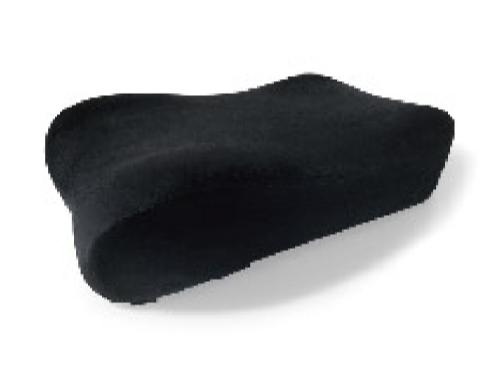
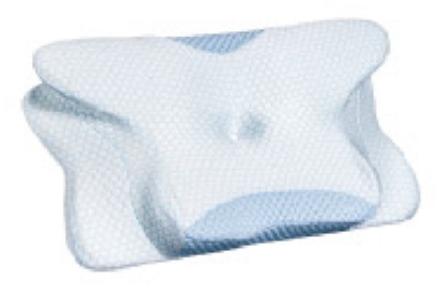
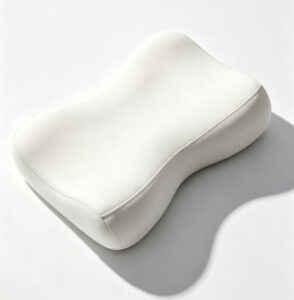
The biggest difference between a cervical pillow and a traditional pillow is the shape. Instead of a flat sleeping surface, most cervical pillows use a contoured design that follows the natural curve of the neck and upper spine. Typically, the center area sits slightly lower to cradle the head, while the raised edges help support the neck and shoulders.
This design is intended to keep the cervical spine in a more neutral position during sleep. When the neck is properly supported, there is usually less pressure on surrounding muscles and joints, which may help reduce stiffness and discomfort in the morning.
Some higher-end models also include dual-height edges or multi-zone support areas. These designs are made to accommodate different body types and sleeping habits while providing more adaptive support throughout the night.
Spinal Alignment for Different Sleep Positions
Sleep position plays a major role in choosing the right pillow height and firmness.
Back sleepers generally benefit from medium loft support that helps maintain the natural curve of the neck without pushing the head too far forward. Contour pillows often work well in this position because the center dip allows the head to rest more naturally.
Side sleepers usually need a higher loft to fill the space between the shoulders and the head. Without enough height, the neck may tilt downward during sleep, placing extra strain on the shoulders and upper back.
Stomach sleepers are a bit different. Because this position naturally twists the neck, many sleep specialists recommend using a very thin pillow or avoiding thick contour designs altogether. In some cases, changing sleep posture may help more than changing pillows.
Pressure Relief and Everyday Comfort
Beyond alignment, memory foam is also valued for its ability to distribute pressure more evenly. Instead of creating pressure points around the neck and shoulders, the foam gradually adapts to body shape and movement during sleep.
Many users report waking up with less stiffness after switching from a traditional pillow to a supportive contour design. Adjustable-height models are especially popular because they allow sleepers to experiment with different levels of support until they find a more comfortable fit.
A supportive cervical pillow should feel stable without feeling overly firm. The goal is not to force the neck into position, but to help the head, neck, and shoulders relax more naturally throughout the night.
Comparison table: Cooling features across memory foam cervical pillow types
| Pillow Type | Primary Cooling Mechanism | Best For | Drawback to Consider |
|---|---|---|---|
| Gel-infused contour pillow | Cooling gel beads mixed into foam | Hot sleepers who want all-night cooling from their memory foam cervical pillow | The cooling effect may diminish after 1–2 years |
| PCM (phase-change) pillow | Microencapsulated PCM that absorbs/releases heat | Sleepers with night sweats or temperature swings | Generally more expensive |
| Ventilated foam + breathable cover | Airflow channels + moisture-wicking fabric | Those who prioritize pressure relief over active cooling | Least effective for severe overheating |
| Hybrid (gel + PCM + ventilation) | Combines two or more technologies | People with both neck pain and significant heat issues | Premium price point |
Most quality cervical pillows fall into one of these categories, with hybrid designs becoming increasingly common in the premium segment.
Certifications and safety: What to look for
When purchasing a memory foam cervical pillow, safety certifications matter. Two certifications appear consistently on quality pillows:
CertiPUR-US certifies that the memory foam has been tested and complies with strict health and safety standards, meaning it is free of hazardous substances and has optimal durability and strength.
OEKO-TEX Standard 100 requires every component of textile production—including all thread, buttons, and trims—to be tested against a list of more than 1,000 regulated and unregulated chemicals that may be harmful to human health.
Pillows carrying both certifications offer peace of mind regarding chemical safety, off-gassing, and material quality. Many premium memory foam cervical pillow models on the market today are CertiPUR-US and OEKO-TEX certified, ensuring that the memory foam core and fabric cover meet rigorous safety standards.
Real user experiences: What people say about cooling cervical pillows
User reviews provide valuable insight into how these pillows perform in real-world conditions. The feedback is not universally positive—no pillow works for everyone—but the patterns are instructive.
Positive experiences
“Just spent my first night on this pillow and it was amazing!! No tossing and turning for my sore ear, sore shoulders and no snoring!! LOVE it!” — Verified purchaser
“I bought this memory foam cervical pillow a couple of months ago and I have such good sleeps now. I no longer wake up with neck & back pain.” — Verified purchaser, Canada
“The multiple contour options are great. It does not get hot to sleep on. After waking up stiff everywhere for months, I swapped to this pillow and not only has my neck improved but my whole body feels great upon waking now.” — Verified purchaser
“Was iffy when I ordered this memory foam cervical pillow but after a few nights I must say it is so comfy! I sleep better and don’t wake up with neck pain anymore.” — Verified purchaser
Critical feedback (and what it teaches us)
“Thin, barely any of the shape described and shown in the images. Choose a different pillow.” — Verified purchaser
Lesson: Look for detailed product specifications and ensure the loft height matches your sleep position needs.
“The pillow is a bit too thin to provide the support my shoulder needs when I sleep on my side.” — Verified purchaser
Lesson: Side sleepers need sufficient loft—usually 6 inches or more—to maintain proper spinal alignment. Always check the height specifications before buying a memory foam cervical pillow.
“After using it for just one night, I woke up with an achy neck and upper shoulder.” — Verified purchaser
Lesson: A 1–2 week adjustment period is normal as your neck muscles adapt to proper alignment. However, significant pain may indicate the pillow is not the right fit for your body type or sleep position.
The takeaway from these reviews is clear: a quality cooling memory foam cervical pillow works well for the majority of users, but individual anatomy and sleep position preferences mean that the right pillow for one person may not be right for another.
Who should use a memory foam cervical pillow?
Based on sleep science and user feedback, a memory foam cervical pillow is ideal for several specific groups:
Hot sleepers — If you frequently wake up sweating or feel too warm at night, the cooling gel helps lower the temperature near your skin. A gel-infused memory foam cervical pillow directly addresses this.
People with neck pain — Memory foam supports your neck and head, relieving strain and tension.
Side or back sleepers — These pillows work well for maintaining proper alignment in these positions.
Allergy sufferers — Hypoallergenic and antimicrobial properties make these pillows suitable for those with dust mite or mold sensitivities.
However, stomach sleepers may want to reconsider. Sleeping on your stomach tends to rotate the neck and flatten the natural cervical curve. Most experts recommend that stomach sleepers avoid any memory foam cervical pillow and instead use a very thin pillow to minimize neck strain. If you sleep on your stomach and struggle with neck pain, shifting to side or back sleeping may be more effective than any pillow change.
Additionally, if you already wake up pain-free and maintain comfortable sleep positions easily without chronic neck issues, your current pillow may be sufficient. A memory foam cervical pillow is a solution for a specific problem—neck pain and poor alignment—not a universal upgrade for every sleeper.
FAQ
1. How long does it take to get used to a memory foam cervical pillow?
Most people need about 1–2 weeks to adjust. Mild discomfort at the beginning is normal as your neck adapts to better alignment. If pain continues beyond two weeks, the pillow may not be the right fit.
2. Is a cooling gel memory foam cervical pillow worth the extra cost?
For hot sleepers, yes. Gel infusion helps reduce heat buildup, while standard memory foam tends to retain warmth. It can make a noticeable difference in overnight comfort.
3. Can I wash my memory foam cervical pillow?
Only the cover should be washed. The memory foam core should not be soaked or machine-washed. Spot cleaning with mild soap is recommended, and always follow the care label instructions.
4. What if the pillow feels too firm at first?
This is common. Memory foam softens slightly with body heat over time. Most people adapt within a few nights. Adjustable models can also help fine-tune firmness and support.
5. How often should I replace my cervical pillow?
Most pillows last about 18–24 months. If it loses shape or support, or no longer feels comfortable, it’s time to replace it.
Final Thoughts and Recommendations
A cervical pillow can stay both cool and supportive when it combines gel infusion, phase-change materials, and breathable construction.
Good support depends on choosing the right height for your sleep position, along with safe materials such as CertiPUR-US or OEKO-TEX certified foam.
Most users need 1–2 weeks to adjust. If discomfort continues, changing the loft or firmness is often the best solution. The right pillow can improve sleep comfort, but it is not a medical treatment. Explore different designs to find the one that best fits your sleep needs.
