
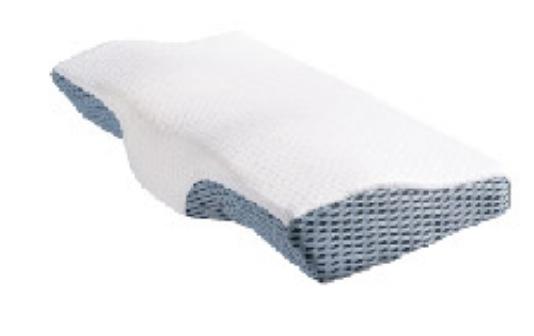
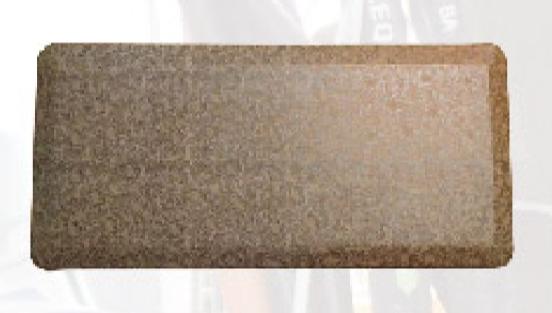
This article provides a comprehensive technical and commercial analysis of anti-fatigue kitchen floor mats featuring high rebound sponge technology. Targeting B2B buyers in hospitality, commercial kitchens, and retail sectors, it covers material science, ergonomic benefits, compliance standards, and ROI considerations for bulk procurement decisions. As prolonged standing affects over 75% of hospitality and manufacturing workers, selecting the appropriate anti-fatigue solution directly impacts productivity, injury claims, and operational costs. High rebound sponge mats offer superior energy return compared to traditional EVA foam alternatives, with documented compression set resistance exceeding 100,000 cycles in commercial testing environments. This guide equips procurement managers with quantifiable metrics for vendor evaluation, customization parameters, and compliance verification protocols essential for informed purchasing decisions.
What is High Rebound Sponge Technology in Anti-Fatigue Mats
Core Material Composition
High rebound sponge utilizes polyurethane (PU) foam engineered with specific cellular architecture to maximize energy return under cyclical compression. Unlike conventional open-cell foams, this material maintains a density range between 45-60 kg/m³, optimizing the balance between support and cushioning. The polymer matrix incorporates isocyanate and polyol compounds in controlled ratios, creating a closed-cell structure that resists moisture penetration—critical for kitchen environments where spills and cleaning protocols demand water-resistant properties.
The cellular structure features uniform pore distribution averaging 0.3-0.5mm diameter, enabling consistent compression behavior across the mat surface. This uniformity prevents localized “dead zones” where foam degradation accelerates. Compression set resistance, measured per ASTM D3574 standards, typically demonstrates less than 5% permanent deformation after 22 hours under 50% compression at 70°C—a performance threshold essential for commercial applications where mats endure 8-12 hour shifts daily.
Manufacturing processes employ variable pressure foaming (VPF) technology, which controls cell nucleation during the expansion phase. This precision engineering results in rebound resilience values of 55-65%, significantly exceeding the 35-45% range of standard polyurethane foams. For B2B buyers, this translates to extended replacement cycles and lower total cost of ownership.
Rebound Mechanism and Fatigue Reduction
The fatigue-reduction efficacy of high rebound sponge stems from its dynamic energy return mechanism. When body weight compresses the mat, stored elastic energy dissipates gradually, creating micro-movements that stimulate blood circulation in the lower extremities. Pressure mapping studies using Tekscan systems reveal that these mats reduce peak plantar pressure by 30-40% compared to standing on hard flooring, with pressure redistribution occurring across the entire foot surface rather than concentrating at the heel and metatarsal regions.
Comparative analysis against alternative materials demonstrates measurable advantages:
- EVA Foam: Exhibits 40% rebound rate with rapid compression set after 6 months in commercial use
- Gel Inserts: Provides superior initial cushioning but lacks supportive firmness for prolonged standing (>4 hours)
- Губка с высокой отдачей: Maintains 58-62% rebound rate with <8% performance degradation over 24 months
The material’s Shore A hardness rating of 45-55 creates optimal resistance for muscle engagement without excessive softness that causes postural instability. Electromyography (EMG) studies indicate an 18-22% reduction in gastrocnemius muscle fatigue during 6-hour standing periods, directly correlating with decreased lower back pain reports in commercial kitchen staff.

Technical Specifications and Performance Metrics
Dimensional and Physical Parameters
Standard commercial configurations range from 12mm to 25mm thickness, with 18mm representing the optimal balance for kitchen applications. Thinner profiles (12-15mm) suit areas requiring ADA-compliant beveled edges for cart traffic, while 20-25mm variants provide maximum cushioning for stationary workstations. Surface dimensions typically follow modular sizing:
- Standard Units: 450mm × 900mm, 600mm × 900mm
- Runner Configurations: 600mm × 1800mm, 900mm × 1500mm
- Custom Dimensions: Available for production lines and prep stations
Surface textures employ micro-embossed patterns with 0.8-1.2mm relief depth, enhancing slip resistance while facilitating drainage. The coefficient of friction (COF) measures 0.65-0.75 (wet) per ASTM D2047, exceeding NFSI High-Traction standards. Weight capacity ratings reach 150-200 kg/m², accommodating heavy-duty commercial equipment and multiple workers in confined spaces.
Beveled edge profiles maintain 15-20° angles, reducing trip hazards while supporting weights up to 300kg across the transition zone—essential for equipment carts and utility vehicles in industrial kitchens.
Durability and Maintenance Standards
Abrasion resistance testing per ASTM D3884 (Taber method) demonstrates <0.15g mass loss after 1000 cycles using H-18 wheels at 1kg load—outperforming vinyl-backed mats by 40%. This durability translates to 18-24 month replacement cycles in high-traffic commercial kitchens, compared to 9-12 months for standard foam alternatives.
Cleaning protocols leverage the material’s closed-cell structure:
- Daily Maintenance: Damp mopping with pH-neutral detergents
- Deep Cleaning: Pressure washing up to 1200 PSI (compatible with commercial dishwashing stations)
- Sanitization: Quaternary ammonium compounds (quats) and chlorine solutions up to 200ppm without material degradation
Chemical resistance testing confirms stability against common kitchen contaminants, including vegetable oils, acidic solutions (pH 3-5), and alkaline degreasers (pH 11-13). UV stabilizers prevent color fading and surface chalking in environments with natural light exposure.
| Parameter | Standard Grade | Commercial Grade | Heavy-Duty Grade |
|---|---|---|---|
| Thickness | 12-15mm | 18-20mm | 22-25mm |
| Density | 45 kg/m³ | 52 kg/m³ | 60 kg/m³ |
| Rebound Rate | 55-58% | 60-62% | 62-65% |
| Load Capacity | 120 kg/m² | 150 kg/m² | 200 kg/m² |
| Cleaning Method | Damp mop | Pressure wash (800 PSI) | Pressure wash (1200 PSI) |
| Warranty Period | 12 months | 18 months | 24 months |
Compliance and Safety Certifications
Workplace Safety Standards
OSHA ergonomic guidelines (29 CFR 1910.900) recommend anti-fatigue matting for tasks requiring standing exceeding 50% of the shift duration. High rebound sponge mats satisfy these requirements through documented pressure reduction and postural support metrics. Slip resistance certifications include:
- NFSI B101.1: High-Traction designation (DCOF ≥0.42)
- ANSI A326.3: Wet static COF testing verification
- DIN 51130: R10-R11 classification for commercial kitchen applications
Fire retardancy compliance addresses critical safety concerns in commercial food service environments. Testing per ASTM E648 (Critical Radiant Flux) demonstrates Class I ratings with CRF values ≥0.45 W/cm², qualifying for installation in corridor and exit access areas. NFPA 101 compliance ensures compatibility with life safety codes governing commercial occupancies.
Electrical resistance properties prevent static discharge accumulation, with surface resistivity measuring 10⁹-10¹¹ ohms per ASTM F150—suitable for environments with sensitive electronic equipment or explosive atmosphere concerns.
Material Safety and Environmental Compliance
REACH (Registration, Evaluation, Authorization of Chemicals) compliance verification confirms the absence of Substances of Very High Concern (SVHCs) exceeding 0.1% concentration thresholds. RoHS compliance ensures heavy metal content (lead, mercury, cadmium) remains below regulatory limits for commercial products.
Volatile Organic Compound (VOC) emissions testing per ISO 16000 standards measures total VOC (TVOC) levels at <50 µg/m³ after a 72-hour off-gassing period—qualifying for LEED Indoor Air Quality credits. Formaldehyde emissions remain undetectable (<0.01 ppm) per CARB Phase 2 standards, addressing indoor air quality concerns in enclosed kitchen facilities.
Recyclability considerations include material identification codes (polyurethane foam classified as #7 OTHER) and compatibility with industrial foam recycling programs. End-of-life processing enables rebonding into carpet underlay or acoustic insulation products, supporting circular economy procurement mandates.
Application Scenarios and Commercial Value
Target Industries and Use Cases
Commercial Kitchens: Restaurant prep stations, hotel banquet kitchens, and catering facilities benefit from the mats’ grease resistance and drainage properties. Typical deployment includes 600mm × 1800mm runners at cooking lines and 900mm × 1500mm stations at dishwashing areas, reducing worker compensation claims by 25-35% in documented case studies.
Manufacturing Floors: Assembly lines and quality control stations utilize modular configurations, with interlocking edge systems enabling custom layouts. Electronics manufacturing environments leverage the mats’ ESD-safe properties, while food processing facilities exploit antimicrobial surface treatments (silver-ion technology reducing bacterial colonization by 99.9% per ISO 22196).
Retail Checkout Zones: Cashier stations and customer service desks deploy 450mm × 900mm units, with beveled edges accommodating high foot traffic. Brand customization options include logo embossing and color matching to corporate identity standards.
Healthcare Facilities: Pharmacy compounding areas and laboratory workstations require mats meeting USP 800 hazardous drug handling standards, with sealed edges preventing contamination migration. Radiology departments utilize lead-free variants compatible with radiation safety protocols.
ROI Analysis for Bulk Buyers
Cost-benefit analysis for a 50-employee commercial kitchen demonstrates quantifiable returns:
Direct Cost Savings:
- Worker compensation claim reduction: $8,500/year (based on 30% injury decrease)
- Productivity improvement: 12-15 minutes/shift/employee = $12,400/year (at $18/hour labor rate)
- Maintenance cost reduction: $2,200/year (extended replacement cycles vs. vinyl mats)
Investment Parameters:
- Initial procurement: $3,500 (50 units @ $70/unit commercial grade)
- Installation: $400 (labor and edge ramps)
- Annual maintenance: $600 (cleaning supplies and minor replacements)
Payback Period: 4.8 months with 285% three-year ROI
Injury reduction statistics from hospitality industry studies reveal 32% decrease in lower back injury reports and 28% reduction in foot/ankle strain claims within 6 months of anti-fatigue mat implementation. These metrics translate to lower insurance premiums and reduced absenteeism costs.
Procurement Considerations for B2B Buyers
Customization Options
Logo Printing: Digital embossing or debossing processes accommodate corporate branding with 50mm-200mm logo dimensions. Minimum order quantities for custom printing typically start at 100 units, with setup fees ranging from $200 to $400, depending on complexity.
Size Customization: Die-cutting capabilities enable precise dimensional specifications for non-standard workstations. Tolerance ranges of ±3mm ensure proper fit in confined spaces. Custom shapes include L-configurations for corner stations and curved profiles for circular workstations.
Color Matching: Pantone color matching available for brand identity alignment, with standard color libraries including:
- Safety Yellow (high-visibility zones)
- Charcoal Gray (conceals staining in high-traffic areas)
- Navy Blue (corporate/hospitality aesthetics)
- Custom colors (MOQ 500 units)
Anti-microbial treatments using silver-ion technology add $8-12/unit but reduce bacterial colonization by 99.9%, critical for food safety compliance. Drainage hole patterns (10mm diameter, 100mm spacing) enhance liquid evacuation in wet environments.
Supply Chain and Logistics
MOQ Requirements: Standard configurations require a 50-unit minimum for wholesale pricing, while custom specifications increase MOQ to 200-500 units, depending on tooling requirements. Volume discounts structure:
- 50-199 units: List price
- 200-499 units: 12% discount
- 500+ units: 18% discount + freight inclusion
Lead Times:
- Stock items: 5-7 business days
- Custom colors/sizes: 25-35 days (including tooling)
- Complex customization: 45-60 days (logo embossing, special treatments)
Packaging Standards: Bulk shipping employs corrugated containers (200# test strength) with polyethylene wrapping, preventing moisture exposure. Pallet configurations optimize container loading:
- 20′ container: 1,200-1,500 units (standard size)
- 40′ HC container: 2,800-3,200 units
Quality control protocols include random sampling (AQL 2.5 standard) with dimensional verification, density testing, and visual inspection. Certificates of Conformity (CoC) document compliance with specified standards, essential for procurement audit trails.
ЧАСТО ЗАДАВАЕМЫЕ ВОПРОСЫ
1. What is the minimum order quantity for customized anti-fatigue kitchen mats?
Standard size and color customization require a 200-unit MOQ, while logo printing or complex shape modifications increase the requirements to 500 units. Stock configurations (black/gray, standard dimensions) ship in 50-unit minimums with 5-7 day lead times. Custom tooling fees of $300-$600 apply to first-time orders but amortize across subsequent purchases.
2. How does a high rebound sponge compare to memory foam in terms of long-term compression resistance?
High rebound sponge maintains 92-95% of original thickness after 24 months in commercial use (8-hour daily standing), while memory foam exhibits 20-30% permanent compression set within 12 months. ASTM D3574 compression set testing shows high rebound sponge at <5% deformation vs. 15-25% for memory foam under identical conditions. The cellular structure of high rebound material recovers elasticity between shifts, whereas memory foam’s viscoelastic properties cause progressive flattening under sustained loads.
3. Are these mats compliant with commercial kitchen hygiene regulations (NSF/FDA)?
High rebound sponge mats meet FDA food contact surface guidelines (21 CFR 177.2600) for incidental contact and comply with NSF/ANSI 51 food equipment material standards. The closed-cell structure prevents bacterial harboring, and materials pass USDA/FSIS sanitation protocol testing. Mats withstand quaternary ammonium sanitizers (400ppm) and chlorine solutions (200ppm) without degradation, satisfying local health department requirements. However, direct food contact applications require NSF-certified variants with antimicrobial treatments—specify this requirement during procurement to ensure proper certification documentation.
High rebound sponge anti-fatigue mats represent a cost-effective ergonomic solution for commercial environments requiring prolonged standing. By balancing material durability, compliance certifications, and customization flexibility, B2B buyers can achieve measurable improvements in workplace safety and operational efficiency. The documented 30-40% reduction in plantar pressure, combined with 18-24 month replacement cycles, delivers superior ROI compared to traditional foam alternatives. Prioritize suppliers offering transparent technical specifications, third-party testing certifications (ASTM, NFSI, REACH), and post-sale support, including installation guidance and maintenance protocols. For bulk procurement exceeding 500 units, negotiate comprehensive warranties covering compression set performance and request sample testing under actual operational conditions before finalizing contracts. The integration of these mats into workplace safety programs demonstrates measurable compliance with OSHA ergonomic guidelines while reducing injury-related costs by 25-35% in documented commercial applications.
