
Взаимосвязь между стоянием, кровообращением и осанкой
По своей природе стояние - динамичный вид деятельности, но в современных условиях оно чаще всего становится статичным. Икроножные мышцы и мышцы стопы участвуют в попеременных или взаимных сокращениях, когда человек стоит на ровной поверхности; поэтому эти мышцы также могут постоянно сокращаться, если поверхность не опускается и не двигается. Сокращение мышц способствует венозному возврату, проталкивая кровь вверх к сердцу под действием силы тяжести из нижних конечностей. Таким образом, уменьшение давления означает тяжесть или скованность, которая может ощущаться в области голеней.
Осанка также в основном участвует в этом процессе. Если болят ноги, то тело автоматически компенсирует это смещением веса в одну сторону, фиксацией коленей или наклоном таза, и все эти небольшие изменения со временем переходят на позвоночник, влияя на выравнивание бедер, комфорт в пояснице и даже на положение плеч. A стоячий массажный коврик для ног Решает эти взаимосвязанные проблемы, заставляя легкие движения обеспечивать специфический целенаправленный сенсорный вход для стоп.
Понимание кровообращения при длительном стоянии
Как работает кровоток в нижней части тела
Кровообращение в ногах в основном зависит от мышечной активности. В то время как сердце активно перекачивает кровь, вены нижних конечностей зависят от окружающих мышц, которые сжимаются и разжимаются, чтобы толкать кровь вверх против силы тяжести. Этот процесс иногда называют "мышечным насосом".
Насос наиболее эффективен во время ходьбы. Стояние немного активизирует мышцы, удерживая их в основном в статичном положении, поэтому кровообращение остается эффективным и действенным в течение некоторого времени, прежде чем в конечном итоге возникнет усталость и дискомфорт даже без длительного стояния.
Влияние статических поверхностей на кровообращение
Плоские, твердые полы обеспечивают минимальную стимуляцию для изменения мышечной активности. Своды опускаются, икроножные мышцы находятся в состоянии полусогнутого состояния, что препятствует обратному кровотоку, в результате чего нижние конечности, стоя на таких поверхностях, затекают. Даже плоские коврики с подушками могут лишь уменьшить количество точек давления, но не способствуют движению, если их поверхность однородна.
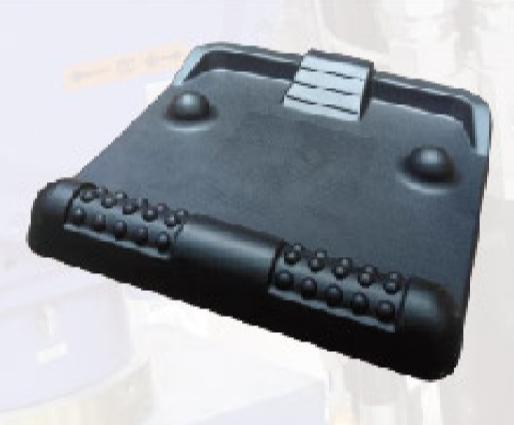
Благодаря текстурированным зонам, рельефным элементам или контурной поверхности стоячий массажный коврик для ног создает намеренную вариативность. Он позволяет стопам смещаться и перекатываться, внося небольшие коррективы, тем самым активизируя те группы мышц, которые способствуют кровообращению.
Как стоячие массажные коврики для ног стимулируют кровообращение
Поощрение микродвижений с помощью дизайна поверхности
Микродвижения - это небольшие и в основном неосознанные смещения веса и положения стоп, когда поверхность под ними не является идеально ровной. Большинство стоячих массажных ковриков для ног способствуют таким микродвижениям.
Текстурированные узоры, купола, выступы или элементы перекатывания слегка разбалансируют пользователя, чтобы активизировать мышцы-стабилизаторы. Регулировка задействует икры и лодыжки, а также внутренние мышцы стопы, которые поддерживают естественный насосный механизм для усиления кровотока.
Изменение давления и рефлекторная стимуляция
Большинство стоячих массажных ковриков для ног содержат рельефные узлы или узорчатые текстуры, основанные на концепциях рефлексологии. Не являясь заменой медицинской терапии, эти точки давления стимулируют нервные окончания в ступнях для усиления сенсорной обратной связи с мозгом.
Подобная сенсорная нагрузка делает стояние менее пассивным и более активным, поскольку она удерживает внимание занимающегося. При изменении давления на различные части стопы возникает движение мышц, что способствует улучшению кровообращения, а также предотвращает чувство скованности, которое обычно возникает после длительного стояния.
Температурная и материальная чувствительность
Материал также играет важную роль в поддержке кровообращения. Лучшие коврики для стоячего массажа ног изготавливаются из высокочувствительных пеноматериалов или смесей эластомеров, которые сжимаются и отскакивают под действием веса тела, обеспечивая максимальную вариативность давления, не позволяя ногам "упираться" в твердую поверхность под ними, что позволяет поддерживать постоянную стимуляцию в течение долгого времени.
Некоторые материалы могут даже обеспечивать небольшую теплоизоляцию от холодного пола, что может помочь предотвратить комфортное сужение сосудов в прохладной среде.
Связь между движением стопы и осанкой
Ноги - основа осанки
Осанка начинается с самого начала. То, как стопы касаются пола, выравнивает всю кинетическую цепь до лодыжек, коленей, бедер и позвоночника. Когда опора стопы минимальна или слишком жесткая, компенсация осанки происходит автоматически.
Стоячий массажный коврик для ног обеспечивает более динамичную базу. Поддерживая естественные своды стопы и пытаясь равномерно распределить на них вес, он способствует нейтральному выравниванию нижней части тела, которое мы так отчаянно пытаемся сознательно поддерживать.
Уменьшение компенсаторных привычек осанки
Дискомфорт - один из основных факторов, заставляющих человека стоять несбалансированно, опираясь на одну ногу или фиксируя колени и перенося вес на внешние края стоп. Все эти позы - просто реакция на усталость, которая чаще всего наступает быстро из-за недостаточной физической подготовки к стоячей работе. Однако со временем эта привычка может привести к нагрузке на суставы и мышцы.
Разнообразная поверхность стоячего массажного коврика для ног уменьшает локальное давление, что позволяет стоять ровно. По мере уменьшения дискомфорта тело реже принимает компенсаторные позы, что способствует более сбалансированному положению.
Как стоячие массажные коврики для ног способствуют выравниванию позвоночника
Тонкие движения и динамичный баланс
Правильная осанка - это не жесткая поза. Это выравнивание, допускающее постоянное, легкое движение. Стоячие массажные коврики для ног способствуют этой концепции, поощряя динамическое балансирование.
По мере того как стопы реагируют на текстурированную поверхность, в лодыжках и бедрах происходят небольшие корректировки; эти движения направляются вверх, удерживая позвоночник вовлеченным, а не заблокированным в полной жесткости, что уменьшает сжимающую силу на нижнюю часть спины и помогает поддерживать естественные изгибы позвоночника.
Позиционирование таза и комфорт для нижней части спины
Наклон таза имеет решающее значение для осанки в положении стоя. Когда ноги испытывают дискомфорт или усталость, таз в поисках комфорта наклоняется вперед или назад. Это приводит к нагрузке на нижнюю часть спины.
Повышая комфорт и устойчивость на уровне стоп, стоячие массажные коврики для ног косвенно поддерживают нейтральное положение таза, благодаря чему поясничный отдел позвоночника принимает свое естественное изогнутое положение с минимальным мышечным напряжением в нижней части спины.
Сравнение массажных ковриков для ног с обычными противоусталостными ковриками
Не только амортизация
Традиционные коврики против усталости основаны на концепции амортизации. Амортизация снижает давление на пятки и переднюю часть стопы, но если поверхность не варьируется, амортизация сама по себе не провоцирует движение в достаточной степени.
Массажные коврики для ног нового поколения обеспечивают как пассивную подушечную поддержку, так и активные элементы. Текстура, контуры или массажные элементы заставляют мышцы работать активнее, что делает такие коврики более эффективными для кровообращения и поддержки осанки в местах, где приходится долго стоять.
Адаптация к различным моделям поведения в положении стоя
Не все люди стоят одинаково. Некоторые люди часто двигаются, в то время как другие остаются относительно неподвижными. Стоячий массажный коврик для ног учитывает эти различия, предлагая несколько зон или текстур, позволяя пользователям взаимодействовать с ковриком так, как им удобно.
Это приводит к постоянному использованию, которое помогает достичь долгосрочных преимуществ осанки.
Применение на рабочем месте и дома
Стоячие столы и офисная обстановка
В офисах стоячие массажные коврики для ног наиболее полезны для пользователей, которые в течение дня переходят из положения сидя в положение стоя. Коврик заставляет их двигаться или менять позу во время стояния, тем самым лишая их шанса на усталость, которая в противном случае могла бы наступить и оттолкнуть от использования стоячего стола.
Он позволяет пользователям оставаться энергичными благодаря хорошему кровообращению и осанке, что позволяет им не отвлекаться от работы.
Розничная торговля, промышленность и сфера услуг
Работа в сфере розничной торговли или обслуживания требует постоянной нагрузки на нижнюю часть тела, которая поддерживает вертикальное положение туловища. Стоячий массажный коврик для ног может снизить суммарный эффект от длительной работы в таких условиях.
Хорошее кровообращение устраняет тяжесть в ногах, а хорошая поддержка осанки снимает нагрузку с поясницы и плеч, обеспечивая полный комфорт.
Использование в быту и повседневная рутина
Стоячие массажные коврики для ног не ограничиваются профессиональными помещениями. На домашних кухнях, в прачечных или мастерских они обеспечивают аналогичные преимущества. Со временем постоянное использование может сделать ежедневную работу стоя менее утомительной, особенно для людей, которые проводят много времени на твердом полу.
Долгосрочные преимущества кровообращения и поддержки осанки
Снижение утомляемости и повышение выносливости
Когда кровообращение поддерживается, а осанка остается сбалансированной, мышцы работают более эффективно. Такая эффективность приводит к снижению усталости и повышению выносливости при работе стоя. Пользователи часто обнаруживают, что они могут комфортно стоять в течение длительного времени, не испытывая дискомфорта.
Поддержка здоровых моделей движения
Постоянное пребывание на динамичных поверхностях для стояния помогает укрепить привычки здорового движения. Со временем пользователи могут лучше следить за своей позой и осанкой, даже когда стоят на ровной поверхности.
Дополнение к другим эргономическим стратегиям
Стоячий массажный коврик для ног лучше всего работает в рамках более широкого эргономического подхода. В сочетании с соответствующей обувью, регулируемыми рабочими поверхностями и регулярными перерывами на движение он вносит значительный вклад в долгосрочное здоровье опорно-двигательного аппарата.
Выбор стоячего массажного коврика для ног для улучшения кровообращения и осанки
Сложность поверхности и баланс текстуры
Эффективность стоячего массажного коврика для ног зависит от достижения правильного баланса. Слишком слабая текстура может не стимулировать движения, а слишком агрессивные поверхности могут вызывать дискомфорт. Модели с умеренной вариативностью поддерживают кровообращение, не перегружая стопы.
Материальная устойчивость и поддержка
Материалы должны обеспечивать постоянную поддержку в течение долгого времени. Пеноматериалы высокой плотности или разработанные полимеры, устойчивые к сжатию, гарантируют, что коврик будет продолжать способствовать движению и стабильности даже при ежедневном использовании.
Соображения устойчивости и безопасности
Нескользящие основания и скошенные края очень важны, особенно в помещениях, где часто происходит движение. Устойчивый коврик позволяет пользователям уверенно работать с текстурированными поверхностями, поддерживая осанку, а не создавая нестабильность.
Почему стоячие массажные коврики для ног важны в современных условиях
Современные офисы и жилые помещения отличаются эффективностью и простором. Иногда это означает компромисс с физическим комфортом. Стоячие массажные коврики для ног - это практичное решение, которое хорошо вписывается в реальность долгих часов, проведенных стоя. Поддерживая кровообращение с помощью движений и выравнивая осанку, они скорее устраняют причины дискомфорта во время стояния, чем просто маскируют симптомы.
С ростом внимания к эргономике массажные коврики для ног в положении стоя рассматриваются как функциональные инструменты, которые, помимо удобства, способствуют долгосрочному благополучию. Благодаря продуманному дизайну и регулярному использованию такие коврики для стоячих ног превращают стояние в менее статичную борьбу и более динамичный, поддерживающий опыт.
