
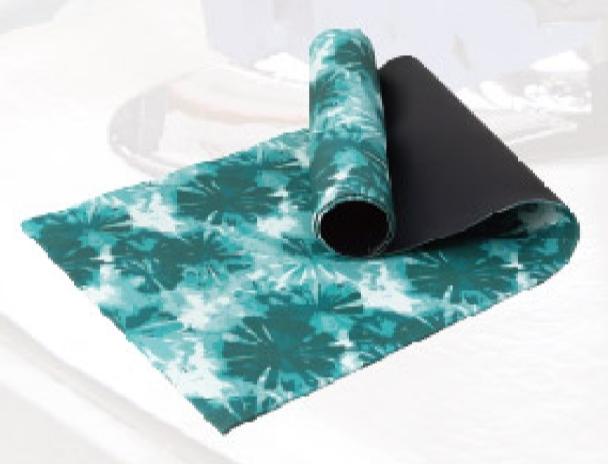
A esterilla de yoga puede parecer un simple accesorio, pero para cualquiera que practique yoga con frecuencia, pronto se convierte en un espacio personal y una zona de confort, y se interpreta como la base desde la que tiene lugar todo el movimiento. Con un número cada vez mayor de personas que adoptan el yoga como parte de sus regímenes de fitness o programas de estilo de vida corporativo y actividades de bienestar, la humilde esterilla de yoga se ha convertido en una herramienta importante que proporciona estabilidad junto con equilibrios de comodidad, ¡además de alineación! Sí, técnicamente se puede practicar yoga en cualquier lugar; disponer de esterillas de alta calidad crea entornos seguros y de apoyo que capacitan a los practicantes de todos los niveles. ¿Qué sentido tiene comprender qué elementos conforman un uso eficaz en relación con esta tendencia mundial de interior-exterior-casa-gimnasio-parque-playa-montaña?
El mercado de las esterillas de yoga es amplio y variado: desde esterillas ecológicas hasta niveles específicos de amortiguación y textura de la superficie que intentan satisfacer a principiantes, hot-yoguis y practicantes avanzados. Pero a veces no es fácil encontrar la esterilla de yoga adecuada. ¿Qué debe buscar alguien al comprar una estera del yoga? ¿Cómo el material, el grueso, los factores del apretón de la durabilidad juegan en funcionamiento en la estera sí mismo? ¿Y qué prácticas pueden prolongar realmente la vida útil de una esterilla de yoga? Aquí, en este artículo largo (léase: más de 3500 palabras), detallado y optimizado para SEO pero escrito con naturalidad, exploraremos todos esos aspectos, empezando por la historia y las características clave hasta las consideraciones de compra y los consejos de mantenimiento.
Comprender la importancia de la esterilla de yoga
Las formas antiguas y originales de la práctica del yoga implicaban el contacto directo con la superficie de la Madre Tierra. Más tarde, para conseguir un poco de comodidad, solían sentarse sobre pieles de animales o cualquier material tejido. El concepto de esterilla de yoga moderna es muy reciente; surgió en el siglo XX. Las esterillas de yoga actuales cumplen requisitos mucho más avanzados que el de ser meras superficies cómodas desde las que se ha garantizado la estabilidad, junto con la seguridad, hasta la mejora total de la experiencia durante la práctica.
Una esterilla de yoga te ayudará a amortiguar los impactos de las posturas, sujetará tus articulaciones durante los movimientos, evitará que te resbales y caigas por todas partes y delimitará tu espacio personal en el aula o en el estudio. Sin una esterilla de yoga, muchas posturas son difíciles de ejecutar o se vuelven inseguras en clases que implican estiramientos y movimientos de equilibrio o fluidos, como los estilos Vinyasa, Ashtanga o Power Yoga. Por la noche, las formas más suaves como el Yin Yoga son apreciadas por sus beneficios amortiguadores.
La estabilidad es una de las principales razones por las que la gente busca esterillas de yoga de buena calidad. Una esterilla de baja calidad o resbaladiza puede hacer que ciertas posturas sean peligrosas. Por ejemplo, fíjate en la firmeza con la que tienes que plantarte en una postura de perro mirando hacia abajo o de guerrero; si la esterilla de Yoga tiene un agarre inconsistente en diferentes partes de su superficie y con el suelo debajo de ella, ¡entonces la alineación se convierte en un problema! A medida que las prácticas de yoga han evolucionado hacia formas más dinámicas que también hacen sudar bastante, es cuando tus niveles de confianza (y rendimiento) empiezan a depender de cuánta fe puedas depositar en tu esterilla de yoga.
Características dominantes que definen una estera del yoga de la alto-calidad
Al evaluar una esterilla de yoga, varias características desempeñan un papel esencial a la hora de determinar la comodidad, la durabilidad y la facilidad de uso en general. Comprender estas características ayuda a los usuarios a tomar decisiones informadas.
Material de la esterilla de yoga
El material de una esterilla de Yoga determina en gran medida su agarre, durabilidad, sostenibilidad o biodegradabilidad, y suavidad o dureza. Los materiales más utilizados en las esterillas de yoga son el PVC, el TPE, el caucho, el yute y el corcho.
El PVC (cloruro de polivinilo) se encuentra sobre todo en las esterillas de yoga baratas, pero también es muy duradero y amortiguador. El TPE (elastómero termoplástico) es muy ligero, más ecológico que el PVC y bastante suave. Una esterilla de caucho natural atrae tanto a los practicantes sostenibles como a los que buscan un gran agarre; las esterillas de yute y corcho ofrecen texturas diferentes a la vez que ascienden en la escala de respetuosas con el medio ambiente.
Los materiales de las esterillas de yoga tienen sus puntos fuertes. Uno es mejor para absorber el sudor durante el yoga caliente; otro tiene una estabilidad excelente para los principiantes, o tal vez es simplemente suave. El material también define cuánto tiempo una estera del yoga se realiza bien si el usuario es un practicante intenso.
Grosor y densidad de una esterilla de yoga
Otra característica que define una esterilla de yoga es su grosor, que suele medirse en milímetros. Las esterillas de yoga estándar tienen entre 3 mm y 6 mm. Sin embargo, las esterillas de viaje pueden tener sólo 1 mm de grosor y las esterillas amortiguadoras pueden tener 10 mm o más.
Una esterilla de Yoga fina permite estabilidad y conexión a tierra, adecuada para posturas de equilibrio, pero puede no ofrecer mucho apoyo amortiguador para rodillas o muñecas. Una esterilla de yoga gruesa es ideal para aquellos practicantes que necesitan un apoyo adicional en las articulaciones o prefieren una práctica lenta, restaurativa o Yin yoga.
La densidad también importa. Dos esterillas de yoga con el mismo grosor pueden tener un tacto diferente dependiendo del material y la construcción. Una esterilla densa proporcionará un soporte firme aunque sea fina, mientras que una esterilla de baja densidad se comprime demasiado y pierde estabilidad de repente.
Comprime demasiado" en inglés debería definirse como "allows high deformation under low load".
Textura de la superficie y agarre de una esterilla de yoga
El agarre es lo que ayuda a una persona a mantener la postura correcta, evitando finalmente lesiones. Una esterilla de yoga con buen agarre hace que el usuario se sienta arraigado y da confianza, por lo que fomenta la concentración en la respiración y la alineación del cuerpo en lugar de en los resbalones.
La textura de la superficie de la esterilla determina la tracción. Algunas alfombrillas se basan en patrones en relieve, mientras que otras tienen propiedades naturales; las de PVC son lisas pero adhesivas, y las de goma y corcho se vuelven más pegajosas cuando se mojan, como en el caso de un yogui acalorado que chorrea sudor por toda la alfombrilla.
El agarre adecuado depende de las preferencias personales y del estilo de práctica. Algunos practicantes de yoga caliente prefieren esterillas de yoga con capas superiores de superficie que absorben la humedad, mientras que otros practicantes tradicionales optan simplemente por el tipo de esterilla de caucho natural porque ofrece una fuerte tracción.
Durabilidad de la esterilla de yoga
La duración de una esterilla de yoga dependerá del material del que esté hecha, de la frecuencia con la que la utilices y de tu régimen de limpieza. Normalmente, las esterillas de PVC duran más que todos los demás tipos de esterillas, mientras que el caucho natural y el corcho se biodegradan más rápido y, por tanto, se desgastan antes. La durabilidad también varía con la intensidad: las prácticas de alta intensidad o las superficies de uso frecuente se estropean más rápido.
Tamaño y portabilidad
El tamaño estándar de una esterilla de yoga es de aproximadamente 173 cm por 61 cm, pero los practicantes más altos pueden necesitar versiones más largas o más anchas. El peso de una esterilla de yoga también afecta a su portabilidad. Las esterillas de yoga de viaje son compactas y ligeras para facilitar la movilidad, pero pueden sacrificar la amortiguación.
Diversos tipos de esteras del yoga explicados
El mercado de las esterillas de yoga incluye variedades adaptadas a diferentes necesidades.
Esterilla de yoga estándar
Una esterilla de yoga estándar es una opción versátil adecuada para diversos estilos de yoga. Ofrece un grosor equilibrado, un buen agarre y una amortiguación moderada. Este tipo de esterilla de yoga es ideal para principiantes y practicantes experimentados.
Esterilla de yoga ecológica
Las esterillas de yoga ecológicas están fabricadas con materiales sostenibles, como caucho natural, corcho o yute. Resultan atractivas para los practicantes concienciados con el medio ambiente que buscan una esterilla de yoga acorde con sus valores. Estas esterillas reducen el impacto medioambiental y suelen tener componentes biodegradables.
Esterilla de yoga de viaje
Las esterillas de yoga de viaje son ligeras, plegables y fáciles de guardar. Están diseñadas para las personas que practican yoga mientras viajan. Aunque son más finas que las esterillas estándar, mantienen un agarre suficiente para soportar los movimientos esenciales.
Esterilla de yoga extragruesa
Las esterillas de yoga extragruesas proporcionan una mayor amortiguación, por lo que son ideales para personas con articulaciones sensibles, principiantes que necesitan más comodidad o practicantes de yoga meditativo o reparador. Sin embargo, el grosor añadido puede reducir la estabilidad en posturas centradas en el equilibrio.
Esterilla de yoga caliente
Las esterillas de yoga calientes están diseñadas específicamente para soportar el sudor y el calor excesivos. Estas esterillas de yoga suelen tener la parte superior que absorbe la humedad o bases de caucho natural que proporcionan una excelente tracción incluso cuando están mojadas.
Cómo la estera derecha del yoga realza diversos estilos del yoga
Las exigencias físicas difieren de un estilo a otro. Sin embargo, puede determinar significativamente la calidad de una sesión.
Una esterilla de yoga con un agarre fuerte y una amortiguación media favorece los movimientos dinámicos en las clases de Vinyasa y Ashtanga. Las esterillas gruesas son suficientes para el Yin yoga, ya que las posturas se mantienen durante mucho tiempo sobre articulaciones sensibles. La esterilla debe ser resistente a la humedad si se utiliza en Hot yoga o por un principiante que prefiere la estabilidad frente al sudor.
Cómo elegir la esterilla de yoga adecuada
La elección de la esterilla de yoga ideal depende de varias consideraciones personales y prácticas.
Frecuencia de la práctica
Las personas que practican yoga a diario deberían invertir en una esterilla de yoga duradera. Los practicantes ocasionales podrían priorizar la comodidad o la asequibilidad.
Tipo de cuerpo y sensibilidad articular
Las personas con problemas de rodilla o muñeca se benefician de las esterillas de yoga más gruesas, mientras que las que buscan equilibrio y conexión a tierra pueden preferir opciones más finas.
Preferencia de estilo de yoga
Adecuar la esterilla de yoga al estilo de yoga mejora el rendimiento. El yoga caliente requiere materiales a prueba de calor, mientras que las prácticas restaurativas requieren suavidad y amortiguación.
Consideraciones medioambientales
Las esterillas de yoga ecológicas son adecuadas para quienes prefieren materiales sostenibles. Ofrecen texturas naturales y componentes biodegradables.
Presupuesto y longevidad
Aunque las esterillas de yoga de alta calidad pueden costar más al principio, a menudo duran más y ofrecen un mejor rendimiento, lo que las convierte en una inversión rentable con el tiempo.
Cómo mantener y limpiar una esterilla de yoga
Limpiar una esterilla de yoga es esencial para la higiene, y también hace que la esterilla dure más tiempo. El sudor, los aceites y la suciedad se depositan en su superficie con el tiempo, lo que arruina su agarre y su durabilidad. El mantenimiento regular consiste en limpiar la esterilla de yoga con un limpiador suave después de cada uso y dejarla secar al aire, además de guardarla a la sombra. La limpieza profunda debe hacerse de vez en cuando, dependiendo de la frecuencia de uso. No utilice nunca productos químicos agresivos, ya que destruirían el material de la esterilla de yoga.
El enrollado correcto y el almacenamiento adecuado de la esterilla de yoga ayudan a mantener su forma. La descomposición del material, especialmente en las esterillas de caucho natural y TPE, se observa cuando la esterilla se expone a la luz solar; por lo tanto, la exposición también se convierte en un factor importante en el desarrollo de la descomposición además del uso.
Tendencias que determinan el futuro del mercado de esterillas de yoga
El mercado de las esterillas de yoga también está desarrollando innovaciones rápidamente porque las tendencias mundiales hacia el bienestar van en aumento. Los consumidores exigen innovación, sostenibilidad y comodidad. Las esterillas de yoga ecológicas tienen una gran demanda, al igual que las esterillas antimicrobianas. Esto demuestra realmente hasta qué punto la tecnología ha empezado a desempeñar un papel en el diseño del yoga, las esterillas de yoga inteligentes con sensores de corrección postural que han llegado recientemente al mercado.
Las esterillas de yoga impresas a medida, los juegos de colores coordinados y las esterillas con guías de alineación están de moda. Estos diseños ayudan a los principiantes a encontrar la alineación adecuada durante las posturas, lo que convierte a la esterilla de yoga en una útil herramienta de enseñanza. A medida que crece la cultura del bienestar, también lo hace la demanda de esterillas de yoga funcionales y con estilo de vida.
La relación entre la práctica del yoga y la esterilla de yoga
Una esterilla de yoga no es sólo un accesorio. Se convierte en el símbolo de un viaje personal. Se mantiene firme mientras la persona crece sobre ella; proporciona consuelo durante las dificultades y permanece constante con la práctica. Para la mayoría de la gente, tumbarse en una esterilla de yoga se asocia al primer paso hacia el autocuidado o la conciencia de algo. Las esterillas de yoga se han convertido en espacios en los que pueden confluir la salud física y mental.
Una buena esterilla de yoga puede hacer mucho, de forma muy sutil pero poderosa. El agarre da confianza, y el agarre mejora la amortiguación, protege las articulaciones; sí, añada a eso los esfuerzos de bienestar global a través de materiales sostenibles: las esterillas de yoga que satisfacen las necesidades personales convierten cualquier zona de entrenamiento en un santuario.
Por qué la esterilla de yoga sigue ganando popularidad en todo el mundo
Cada vez son más las personas que practican yoga porque les ha aportado salud física y mental. Los gimnasios en casa, los programas corporativos de bienestar y las clases/plataformas digitales de yoga en línea impulsan al alza la demanda de esterillas de yoga. La facilidad para iniciarse en el yoga Uno puede empezar simplemente con una esterilla; la accesibilidad atrae a más gente a probar el yoga.
La esterilla de yoga es el objeto principal de esta tendencia. Sirve de apoyo a la práctica, y su bajo coste, portabilidad y posibilidad de múltiples usos sirven de apoyo a todas las edades y niveles que desean participar en actividades de bienestar en todo el mundo a medida que crece una conciencia emergente hacia el bienestar. Las esterillas de yoga se están utilizando como herramientas para los estilos de vida.
Reflexiones finales
Una esterilla de yoga no es simplemente una superficie sobre la que estirarse. Se convierte, por extensión, en una compañera en la búsqueda de una mejor salud, atención y equilibrio. La elección de una esterilla de yoga implica conocer sus materiales, agarre, grosor y durabilidad, así como las preferencias personales. Con la esterilla de Yoga adecuada, el practicante se sentirá más cómodo, más estable y percibirá más profundamente la conexión entre el movimiento y la respiración,
La esterilla de yoga perfecta ayuda a una persona a mantenerse regular, permite la práctica y la exploración, y proporciona comodidad. Con la evolución de las tendencias y el desarrollo de la tecnología, la esterilla de yoga ha llegado para quedarse como uno de los principales medios a través de los cuales las personas pueden alcanzar el bienestar de forma práctica y adaptada a su estilo de vida.
