

The Hidden Danger of Your Daily Commute
Every day, millions of drivers slide into their car seats, adjust the mirrors, and hit the road without giving a second thought to their lower back. Yet, the way you sit while driving directly impacts your spinal health, your comfort level, and even your long-term mobility. Most factory car seats are not designed with proper spinal alignment in mind. They are built for durability and aesthetics, not for the unique curve of your lumbar spine. This is precisely why you should not drive another mile without a lumbar support car seat cushion.
The average American driver spends nearly one hour per day behind the wheel. For commercial drivers, delivery personnel, and long-distance commuters, that number jumps to six hours or more. Multiply those hours by weeks and months, and you have a recipe for chronic lower back pain. A lumbar support car seat cushion is not a luxury accessory—it is an essential tool for anyone who spends significant time driving. By filling the natural gap between your lower back and the car seat, a quality lumbar support car seat cushion maintains the spine’s natural curve, reduces muscle fatigue, and prevents long-term damage. If you value your spinal health, do not drive another mile without a lumbar support car seat cushion.
What Exactly Is a Lumbar Support Car Seat Cushion?
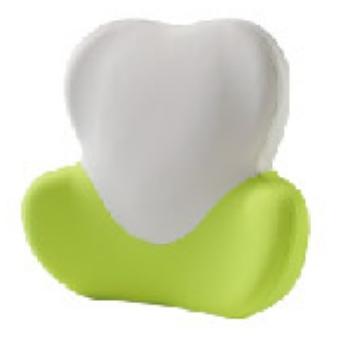
Before we get into the benefits, it’s worth clarifying what a lumbar support car seat cushion actually is and how it stands apart from other seat accessories. Unlike a full seat cushion that raises your entire body or a memory foam pad that just adds a bit of softness, a lumbar support cushion is carefully shaped to fit the natural inward curve of your lower back. This curve, called lumbar lordosis, is something a healthy spine naturally has. But when you sit in a car seat that isn’t designed well, that curve tends to flatten out, which puts pressure on your spinal discs. A lumbar support cushion helps keep that curve intact.
These cushions usually use memory foam or high-density polyurethane foam. The better designs come with adjustable straps so you can fix the cushion at the right height for your lower back. Some even include cooling gel layers to stop heat from building up during longer drives. When positioned well, a lumbar support cushion can turn a seat that might otherwise be uncomfortable into one that offers real support. If you haven’t tried one before, the difference in comfort can be quite striking. Many drivers who add a lumbar cushion to their car notice less tiredness and fewer aches, even after spending hours behind the wheel.
The Anatomy of a Quality Lumbar Cushion
Not every lumbar support car seat cushion is created equal. To get the best results, you need to understand the key components that separate a high-quality lumbar support car seat cushion from a cheap alternative that will compress within weeks.
-
Core Material: Memory foam conforms to your specific spinal curve, while high-density polyurethane foam offers firmer, more structural support. Many premium cushions combine both—a memory foam layer for comfort and a denser foam core for stability. A quality lumbar support car seat cushion should retain its shape even after hours of use.
-
Shape and Contour: A good car seat lumbar support cushion has a gentle, ergonomic curve that mirrors the natural shape of the human spine. Avoid cushions that are too flat or too aggressively curved, as both extremes can cause discomfort rather than relief.
-
Cover Fabric: Breathable, moisture-wicking covers prevent sweat buildup during summer months. Look for mesh or bamboo fabric covers that are removable and washable. Your lumbar support car seat cushion will last longer if the cover is easy to clean.
-
Attachment System: Adjustable straps that wrap around the seat back keep the cushion in place. Elastic straps with quick-release buckles are the most secure option. Without a proper attachment system, your lumbar support car seat cushion will shift during driving and lose its effectiveness.
The Health Consequences of Driving Without Lumbar Support
If you have been driving for years without a lumbar support car seat cushion, you may have already experienced some of the negative health effects. The human spine is not designed for prolonged sitting, and sitting in a car amplifies the problem because of vibration, fixed positioning, and lack of natural movement. A lumbar support car seat cushion addresses all of these issues by restoring the spine’s natural alignment.
Chronic Lower Back Pain
The most immediate and obvious consequence is chronic lower back pain. When your lumbar spine flattens against a car seat that lacks proper contouring, the spinal discs experience uneven pressure. Over time, this can lead to disc degeneration, herniated discs, and persistent pain that lingers even after you exit the vehicle. A lumbar back support for car seats maintains the natural curve, distributing pressure evenly across the discs and reducing the risk of long-term damage. Drivers who use a lumbar support car seat cushion consistently report significantly less back pain and fewer visits to chiropractors.
Poor Posture and Muscle Imbalance
Without a car seat lumbar support cushion, your body compensates for the lack of support by recruiting muscles that should not be engaged during sitting. You may find yourself slouching forward, leaning to one side, or gripping the steering wheel tighter than necessary. These compensation patterns create muscle imbalances that can lead to pain in the neck, shoulders, and upper back. Over months and years, these imbalances become ingrained, making it difficult to maintain good posture even when you are not driving. A lumbar support car seat cushion eliminates these compensation patterns by providing the support your spine needs.
Reduced Circulation and Fatigue
Sitting in a poorly designed seat restricts blood flow to the lower extremities and the muscles of the lower back. Reduced circulation leads to faster muscle fatigue, meaning you feel tired and stiff after even a short drive. A lumbar support car seat cushion improves circulation by promoting a more open sitting angle, allowing blood to flow freely to the muscles that need oxygen. Drivers who use a lumbar support car seat cushion consistently report feeling more alert and less fatigued at the end of a long trip. Do not drive another mile without a lumbar support car seat cushion if you want to arrive fresh and pain-free.
Lumbar Support vs. Other Car Seat Accessories: A Comparative Table
Many drivers confuse different types of car seat accessories. The table below clarifies how a lumbar support car seat cushion compares to other common products on the market.
| Feature | Lumbar Support Car Seat Cushion | Full Seat Cushion | Gel Seat Pad | Wedge Cushion |
|---|---|---|---|---|
| Primary Function | Supports lower back curve | Elevates and softens the entire seat | Reduces pressure points | Tilts the pelvis forward |
| Target Area | Lumbar spine only | Full buttocks and thighs | Sit bones | Pelvis and hips |
| Best For | Lower back pain, posture correction | General comfort, height adjustment | Long hours of static sitting | Sciatica, tailbone pain |
| Spinal Alignment | Directly improves alignment | Minimal effect on the lumbar curve | No effect on alignment | Indirectly improves posture |
| Portability | High, small, and easy to move | Moderate; bulkier | High, thin, and flexible | Moderate |
| Typical Price Range | $25–$60 | $30–$80 | $20–$50 | $35–$70 |
As the table shows, a car seat lumbar support cushion serves a specific function that other cushions cannot replicate. If your primary issue is lower back pain while driving, a lumbar support car seat cushion is the correct solution. Do not drive another mile without a lumbar support car seat cushion that is designed specifically for your needs, rather than a generic seat pad.
Who Needs a Lumbar Support Car Seat Cushion the Most?
While virtually every driver can benefit from proper lumbar support, certain groups of people have a more urgent need for a lumbar support car seat cushion.
Long-Distance Commuters
If your daily commute exceeds 45 minutes each way, you are spending at least 90 minutes per day in your car. Over a year, that amounts to more than 300 hours of sitting—nearly two full weeks of continuous sitting. A car seat lumbar support cushion transforms those hundreds of hours from a source of pain into a comfortable, posture-friendly experience. Long-distance commuters who invest in a lumbar support car seat cushion often wonder how they ever drove without one.
Professional Drivers
Truck drivers, rideshare drivers, delivery drivers, and sales representatives who spend most of their workday behind the wheel face the highest risk of chronic back pain. For these individuals, a lumbar support car seat cushion is not just a comfort item—it is a workplace safety tool. Many professional drivers report that using a lumbar back support for car seats allows them to work longer hours with less fatigue and fewer pain-related distractions. Some fleet managers now provide lumbar support car seat cushion devices to their drivers as standard equipment.
Individuals with Existing Back Conditions
If you already suffer from conditions such as herniated discs, sciatica, spinal stenosis, or arthritis of the spine, driving without proper support can exacerbate your symptoms. A lumbar support car seat cushion provides the stability and alignment that medical professionals recommend for managing these conditions. However, always consult with your healthcare provider before adding any new support device to ensure it is appropriate for your specific condition. Most doctors will tell you not to drive another mile without a lumbar support car seat cushion.
Older Adults
As we age, the spinal discs naturally lose water content and become less resilient. The muscles that support the spine also weaken over time. Older adults are therefore more susceptible to the negative effects of poor sitting posture. A car seat lumbar support cushion compensates for age-related changes in the spine, allowing older drivers to maintain comfort and independence behind the wheel. For seniors who want to continue driving without pain, a lumbar support car seat cushion is an affordable and effective solution.
How to Choose the Right Lumbar Support for Your Vehicle
Selecting the correct car seat lumbar support cushion requires careful consideration of several factors. The right cushion for a compact car may not work well in a large SUV or a truck with deeply contoured seats.
Measure Your Seat Gap
The first step is to measure the gap between your lower back and the car seat when you sit in your normal driving position. Have a friend slide their hand behind your back while you sit naturally. The thickness of the lumbar support car seat cushion you need should roughly match the size of that gap. Too thin, and the cushion will provide no support. Too thick, and it will push your shoulders forward into an uncomfortable hunched position. The ideal lumbar support car seat cushion fills the gap without creating new pressure points.
Consider Adjustability
The best lumbar back support for car seats offers some degree of adjustability. Look for a lumbar support car seat cushion with adjustable straps that allow you to position the cushion at the exact height of your lumbar curve. Some premium models include inflatable air bladders that let you fine-tune the firmness to match your preference on any given day. An adjustable car seat lumbar support cushion gives you more control over your comfort and allows multiple drivers to use the same cushion with different settings.
Check for Compatibility with Your Car’s Seats
Some car seats have aggressive side bolsters (the raised edges on racing-style seats) that can interfere with a lumbar support car seat cushion. If your car has heavily bolstered seats, look for a narrower cushion that fits between the bolsters rather than sitting on top of them. For bench-style seats or flat seats, almost any lumbar support car seat cushion will work well. Test the fit before committing to a long-term purchase.
Evaluate Material Quality
A cheap lumbar support car seat cushion made from low-quality foam will compress within weeks, leaving you with no support. Read customer reviews specifically for mentions of durability and foam density. Cushions with a warranty of one year or more generally indicate manufacturer confidence in the product’s longevity. A quality lumbar support car seat cushion should last 12–24 months with regular use, making it a worthwhile investment in your spinal health.
Proper Positioning for Maximum Benefit
Even the best lumbar support car seat cushion will fail to help if it is positioned incorrectly. Follow these steps to ensure you are getting the full benefit of your car seat lumbar support cushion.
-
Sit in the seat normally without the lumbar support car seat cushion. Note where the natural gap between your back and the seat is located.
-
Attach the cushion using the provided straps. Position it so that the thickest part of the curve aligns with the small of your back, approximately at the level of your belt line.
-
Sit back against the cushion and adjust your seat position as needed. You may need to recline slightly or adjust the seat bottom angle to maintain a neutral spine.
-
Test drive the setup on a short trip before committing to a long journey. Minor adjustments to the lumbar support car seat cushion height or angle can make a significant difference in comfort.
Common Positioning Mistakes to Avoid
-
Placing the cushion too high: This supports the mid-back rather than the lumbar spine, providing no relief for lower back pain.
-
Placing the cushion too low: This pushes the pelvis forward without supporting the lumbar curve, which can actually worsen posture.
-
Using the cushion on top of an existing aftermarket cover: Thick seat covers can interfere with the cushion’s positioning. Attach your lumbar support car seat cushion directly to the original seat fabric when possible.
Caring for Your Lumbar Support Car Seat Cushion
To extend the life of your car seat lumbar support cushion, follow these simple maintenance guidelines.
-
Clean the cover regularly: Most lumbar support car seat cushion models have removable, machine-washable covers. Wash the cover every few months to remove sweat, oils, and dust.
-
Air out the cushion: After long drives, allow your lumbar support car seat cushion to air out before storing it or leaving it in a closed vehicle. This prevents moisture buildup and odor.
-
Check the straps periodically: Elastic straps can stretch over time. Replace or tighten straps when your lumbar support car seat cushion starts shifting during driving.
-
Replace when compressed: When the foam no longer returns to its original shape after use, it is time to replace your lumbar support car seat cushion. Most quality cushions last 12–24 months with regular use.
Real Drivers, Real Results
Thousands of drivers have switched to using a lumbar support car seat cushion and have never looked back. Take Mark, a delivery driver who spends ten hours daily behind the wheel. “I could barely walk after work before I got my lumbar support car seat cushion,” he reports. “Now I finish my shift with zero back pain.” Or consider Sarah, a real estate agent who drives between properties all day. “My car seat lumbar support cushion changed everything. I wish I had bought a lumbar support car seat cushion years ago.”
These stories are not exceptions. When you use a lumbar support car seat cushion consistently, your body thanks you. The investment in a lumbar back support for car seats pays dividends in comfort, health, and productivity. Do not drive another mile without a lumbar support car seat cushion that works for you.
Conclusion – Invest in Your Spinal Health Today
You spend hundreds of hours each year behind the wheel. Every one of those hours is an opportunity to either support your spine or damage it. Driving without a lumbar support car seat cushion leads to chronic pain, poor posture, and reduced quality of life. The solution is simple, affordable, and immediately effective.
A lumbar support car seat cushion is one of the smartest investments you can make in your health. Whether you are a long-distance commuter, a professional driver, or someone who simply wants to arrive without back pain, do not drive another mile without a lumbar support car seat cushion. Do not wait until the pain becomes debilitating. Get your car seat lumbar support cushion today. Your spine will thank you for every mile you drive with proper support.
