

In an era where speed is glorified and exhaustion is worn like a badge of honor, a quiet revolution is happening — the rediscovery of the power nap. And right at the center of this movement is one surprisingly elegant invention: the Nickerchen-Kissen.
More than a simple cushion, the nap pillow is a small architectural wonder for the body and mind. It represents the convergence of ergonomics, sleep science, and modern lifestyle design, answering an ancient human need — to pause, breathe, and recharge.
But what exactly is a nap pillow? How does it differ from an ordinary pillow? And why are global offices, airlines, and even schools embracing them as tools for health and productivity?
Let’s unfold the layers of this deceptively humble object.
The Definition and Philosophy of the Nap Pillow
A nap pillow is a specially designed cushion that supports short-term rest — usually between 10 and 30 minutes — in places where full sleep is impractical: office desks, airplanes, classrooms, and commuting environments.
It’s not about deep sleep; it’s about controlled recovery. The nap pillow enables relaxation without full disengagement. It’s designed to let you rest your head in various positions — upright, forward-leaning, or side-reclined — without strain on the neck, spine, or face.
In short, a nap pillow bridges the gap between alertness and rest, helping people transition smoothly from mental fatigue to refreshed clarity.
The idea echoes a broader shift in our relationship with work and well-being: the understanding that rest is productivity.
Anatomy of a Nap Pillow: More Than Meets the Eye
Though it looks simple, a modern nap pillow is a marvel of layered design. Each material, contour, and cut has been tested against human physiology.
Let’s break down its anatomy.
1. Outer Fabric – The First Touch
The skin of the pillow is what you feel first, so comfort here is non-negotiable. Premium nap pillows often use breathable fabrics such as:
-
Soft cotton blends or bamboo fiber for natural airflow.
-
Cool-touch polyester or ice silk materials for temperature regulation in hot offices.
-
Velvet and plush microfibers for warmth and comfort during the winter months.
The fabric is often removable and washable — hygiene is vital when you’re napping at your desk every day.
2. Inner Core – The Hidden Architecture
Inside lies the true engineering. The core defines firmness, elasticity, and rebound time — how quickly it returns to shape.
Common materials include:
-
Memory foam: Contours perfectly to head and neck curves; excellent for short naps where pressure relief matters.
-
Latex foam: Offers springiness and natural resistance to bacteria and dust mites.
-
Microbeads: Create flexible, portable cushions ideal for travel; they shift to cradle the head in any position.
-
Hybrid fills: Combining foam layers with air chambers or gel inserts for adaptive cooling and shape control.
3. Ergonomic Design – Comfort by Geometry
Here’s where nap pillows differ most from traditional bed pillows. They’re sculpted, not stuffed.
Depending on usage, you’ll find:
-
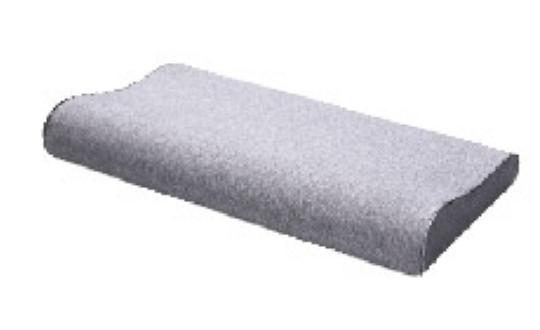
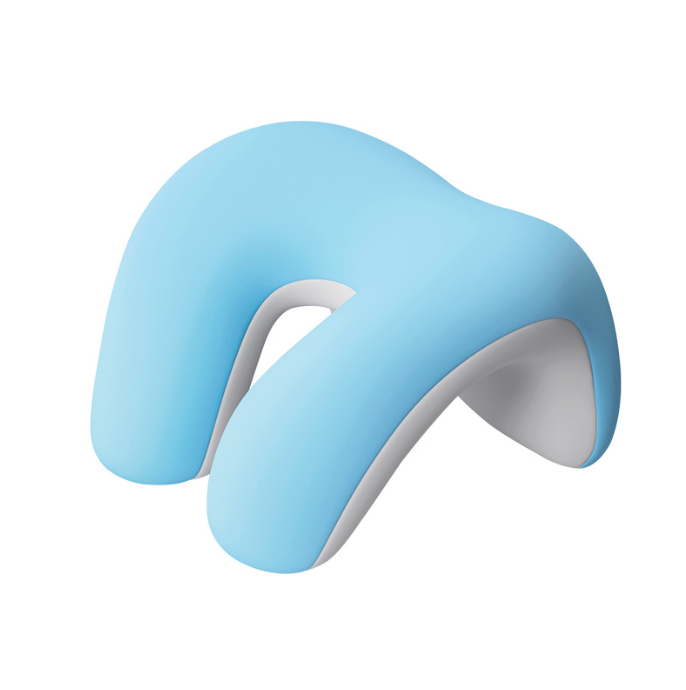
Forward-leaning designs, shaped like half domes or U-pillows, allow you to nap at your desk without crushing your arms.
-
U-shaped neck pillows, engineered for airplane seats or upright naps.
-
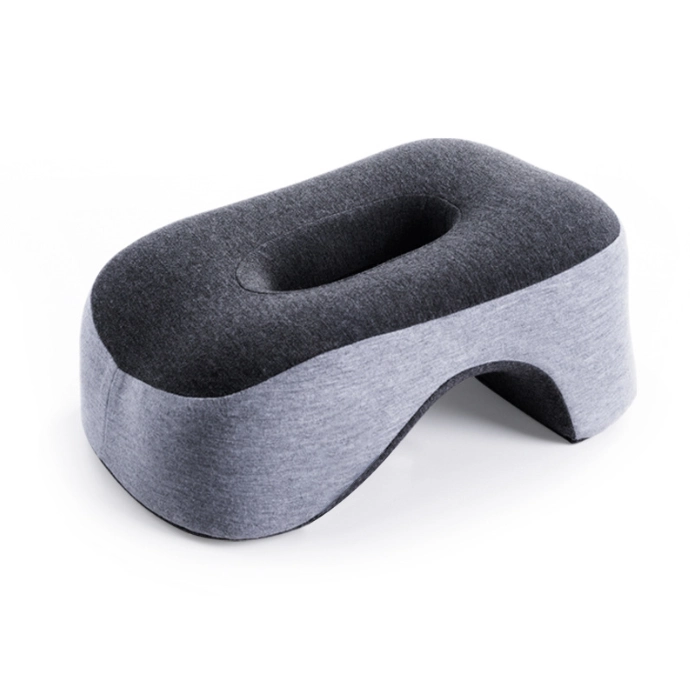
Ostrich-style pillows, which cocoon the head and hands for immersive isolation.
-
Foldable or inflatable designs, optimized for travelers and compact storage.
Each style represents a unique ergonomic philosophy — from spinal alignment to sensory comfort.
Why Nap Pillows Matter in Modern Life
To understand the rise of the nap pillow, you must look at how our daily rhythms have changed. Humans evolved to have two sleep phases — one long nighttime sleep and a shorter daytime rest. Industrialization erased the latter, but our bodies never forgot it.
A nap pillow revives that balance, providing micro-restorative moments in overstimulated environments. The benefits go far beyond comfort.
1. Neuroscientific Benefits
Sleep researchers at NASA and Harvard have documented that 20-minute naps improve alertness by up to 34% and performance by 16%.
Short naps enhance memory consolidation, emotional regulation, and creativity — all without the grogginess of deep sleep.
2. Ergonomic and Physical Health
Constant sitting strains the cervical spine. A properly designed nap pillow supports the head’s natural curvature, preventing neck stiffness and muscle fatigue.
It also helps regulate heart rate variability, a key measure of recovery and stress balance.
3. Workplace Productivity
Leading companies like Google, Zappos, and Samsung have dedicated nap zones — complete with ergonomic pillows — because rest fosters innovation. A nap pillow transforms even a small desk into a recharging pod.
4. Emotional Regulation
Micro-napping reduces cortisol levels and boosts serotonin. In cultures where hustle never stops, this tiny cushion becomes a form of rebellion — a soft weapon of self-care.
Evolution of the Nap Pillow: From Travel Accessory to Lifestyle Icon
Originally, nap pillows were travel tools. In the 1980s, airlines popularized the U-shaped neck pillow, aimed at long-haul comfort.
Then, startups and designers reimagined the concept for modern office workers — introducing forward-leaning pillows, memory-foam desk cushions, and even hooded models that provide visual privacy in open offices.
Today, nap pillows are a lifestyle statement. They’re Instagrammable, design-forward, and sustainable. High-end models use organic fabrics, plant-based foams, or recycled ocean plastics. Some even include built-in Bluetooth speakers, aromatherapy inserts, or temperature-regulating gel layers.
They’ve become symbols of mindful modernity — proof that rest can be both stylish and smart.
Common Types of Nap Pillows (and How to Choose One)
Here’s where we dive into practical taxonomy. Though designs vary wildly, most nap pillows fall into a few broad categories.
• Desk Nap Pillow
Designed for office or classroom use. Usually dome-shaped or wedge-shaped. Allows users to rest face down without blocking airflow.
• Travel Nap Pillow
Portable, lightweight, often U-shaped or inflatable. Prioritizes neck support during upright naps.
• Multi-Position Pillow
Can be rotated or folded for different uses — back, side, or forward-leaning naps. Often used by freelancers or gamers.
• Ergonomic Neck Support Pillow
Engineered for spinal alignment. Often comes with 3D contouring or memory foam. Suitable for those with cervical tension.
• Therapeutic Nap Pillow
Infused with lavender, menthol, or cooling gel to promote relaxation and recovery. Popular in wellness and spa settings.
Material Science: Why Texture and Temperature Matter
A pillow’s material can make or break the nap experience. The perfect nap pillow strikes a balance between softness and structure, warmth and breathability.
-
Temperature Control: Memory foam tends to trap heat; thus, modern designs integrate gel cooling layers or ventilated mesh covers.
-
Sustainability: Bamboo, recycled polyester, and Tencel fabrics are gaining traction for eco-conscious consumers.
-
Sensory Comfort: The texture should be smooth yet supportive — tactile cues have a strong impact on the relaxation response.
The Psychology of the Nap Pillow
Why do people feel safe enough to nap in public spaces?
Because a nap pillow provides more than comfort — it creates a boundary.
Psychologists note that the act of setting down a pillow signals to the brain a transition from “active” to “rest” mode. It’s a miniature sanctuary — a ritual object that legitimizes rest.
This is crucial in productivity-driven societies, where guilt often prevents rest. A nap pillow becomes both a physical and emotional cue for permission to pause.
Industrial Applications and Future Trends
As the wellness market grows, nap pillows are moving beyond personal use.
-
Corporate wellness programs include them in rest pods.
-
Transportation industries use them to enhance passenger experience.
-
Medical rehabilitation centers adopt ergonomic nap pillows for posture therapy.
Looking ahead, we’ll see smart nap pillows with sleep tracking sensors, AI-driven comfort adjustment, and even scent diffusion systems.
The boundary between pillow, wearable, and health device is fading fast.
Choosing the Right Nap Pillow
When selecting your ideal nap pillow, consider three key factors:
• Ergonomics
Does it align your head and neck? Test multiple shapes. Comfort is personal — what works for a traveler may not suit a desk worker.
• Portability
For nomadic professionals, foldable or inflatable pillows with washable covers are best.
• Sensory Experience
Texture, scent, and even color affect how restful your nap feels. Cool blues and grays promote calm; warmer tones evoke comfort.
A Soft Symbol of a Larger Shift
At first glance, a nap pillow might seem trivial — a mere accessory. But in reality, it reflects a fundamental cultural evolution.
We’ve spent decades glorifying exhaustion. Now, objects like nap pillows remind us that rest is not laziness but a strategy.
They embody the idea that high performance requires humane design.
Whether it sits on a corporate desk, an airplane seat, or a classroom table, a nap pillow whispers the same truth:
Productivity is not about doing more — it’s about recovering better.
