
Einführung
Die Gäste schlafen nicht mehr nur auf den Memory-Kissen der Hotels - sie wollen sie mit nach Hause nehmen.
Das ist die Realität, die sich in Hotels weltweit abspielt. Reisende, die früher jedes Kissen akzeptierten, das auf ihrem Bett landete, fotografieren jetzt die Etiketten, fragen das Personal an der Rezeption nach Markennamen und suchen online, sobald sie auschecken. Ein Anbieter von Hotelzimmern meldete, dass er mehr als 10 Millionen Stück seiner Tiefschlaf-Gedächtnisschaum-Kissenserie verkauft hat. Es gibt keine Anzeichen dafür, dass dieser Trend nachlässt.
Nach einigen Nächten, in denen die Nackenwirbelsäule gut gestützt wurde und man sich langsam wieder erholt hat, sind Standardkissen einfach nicht mehr zeitgemäß. Lassen Sie mich genau erklären, warum das so ist Hotel-Speicher-Kissen ist zum unerwarteten Star des Gästeerlebnisses geworden. Deshalb erleben Hotels, die in Qualitätskissen investieren, zufriedenere Gäste, bessere Bewertungen und sogar eine zusätzliche Einnahmequelle.
Die Schlafkrise ist real - und die Hotels bekommen sie zu spüren
Bevor wir uns mit den Spezifikationen von Kopfkissen beschäftigen, sollten wir über die aktuellen Entwicklungen in der Welt des Schlafs sprechen. Laut der fünften jährlichen globalen Schlafstudie von ResMed (2025), an der über 30.000 Personen in 13 Märkten teilnahmen, kommt mehr als die Hälfte der Befragten weltweit im Durchschnitt fast drei Nächte pro Woche nicht zu einem erholsamen Schlaf. Gleichzeitig berichten etwa 30% bis 45% der Erwachsenen von unzureichendem oder schlechtem Schlaf insgesamt.
Diese Zahlen wirken sich direkt auf den Hotelbetrieb aus. Akademische Forschungen, die wichtige Hotelmerkmale untersuchten, haben gezeigt, dass die Zufriedenheit der Gäste mit dem Schlaf ein starker Prädiktor für die allgemeine Zufriedenheit des Hotels ist. Unbequeme Kissen sind eine der Eigenschaften, die am stärksten mit schlechtem Schlaf in Verbindung gebracht werden.
Mit anderen Worten: Ein schlechtes Kissen verdirbt nicht nur die Nacht eines Gastes. Es verdirbt den gesamten Eindruck Ihres Hauses. Aus diesem Grund überdenken zukunftsorientierte Hotels ihre Kissenstrategie. Die Hotel-Speicher-Kissen ist kein Luxus mehr, sondern eine Notwendigkeit für den Wettbewerb.
Warum Memory Foam? Die Wissenschaft hinter dem Komfort
Um zu verstehen, warum die Gäste besessen sind von der Hotel-Speicher-Kissenmüssen Sie wissen, was in ihm steckt. Herkömmliche Hotelkissen - mit Federn und Daunen oder synthetischen Standardfüllungen - sind zwar weich, bieten aber kaum gezielte Unterstützung. Memory-Schaum, insbesondere die langsam rückfedernde Variante, die in hochwertigen Hotelkissen verwendet wird, funktioniert völlig anders.
In drei Sekunden zum perfekten Support
Der Mechanismus der langsamen Rückfederung ist das entscheidende Merkmal eines qualitativ hochwertigen Memory Foam-Kissens. Nach Branchenmaßstäben sollte ein idealer Memory-Foam-Kissenkern eine Rückprallzeit von drei bis fünf Sekunden haben, um eine optimale Wirkung zu erzielen. Das ist genug Zeit, um sich an die Form des Schläfers anzupassen, ohne sich wie ein Ziegelstein anzufühlen.
Wenn Sie Ihren Kopf auf eine gut gemachte Hotel-Speicher-KissenDer Schaumstoff komprimiert sich allmählich unter Ihrem Gewicht. Er passt sich genau den Konturen Ihres Nackens und Kopfes an. Wenn Sie dann die Position wechseln oder aufstehen, kehrt er langsam in seine ursprüngliche Form zurück.
Dies ist nicht nur ein Marketing-Gag. Die Eigenschaft der langsamen Rückfederung verhindert den "Push-back"-Effekt, den man von federnden Kissen kennt, bei denen das Material gegen Ihre natürliche Haltung ankämpft. Stattdessen schmiegt sich das Kissen an Sie an. Es verteilt den Druck gleichmäßig über die gesamte Oberfläche.
Wirbelsäulenausrichtung, die tatsächlich funktioniert
Nackenschmerzen sind eine globale Epidemie. Nach Angaben von Global Burden of Disease litten im Jahr 2021 weltweit über 200 Millionen Menschen an Nackenschmerzen. Diese Zahl hat sich gegenüber 1990 fast verdoppelt. Eine schlechte Schlafhaltung trägt wesentlich dazu bei.
Kissen aus Memory-Schaumstoff wirken diesem Problem direkt entgegen, indem sie die natürliche Krümmung der Halswirbelsäule unterstützen. Das Material absorbiert und verteilt das Gewicht des Kopfes und verhindert, dass sich Druck auf empfindliche Bereiche wie Ohren und Kiefer aufbaut. Untersuchungen zur Auswahl von Kissen gegen Nackenschmerzen empfehlen Rückenschläfern durchweg mittelhohe oder konturierte Memory-Foam-Kissen. Sie unterstützen die natürliche Krümmung des Nackens und sorgen dafür, dass die Wirbelsäule die ganze Nacht hindurch aufgerichtet bleibt. Das ist genau der Grund, warum die Hotel-Speicher-Kissen ist zu einem Favoriten unter Reisenden mit chronischer Steifheit geworden.
Angefangen bei den Materialien bis hin zur Herstellung, schauen wir uns nun an, was ein wirklich gutes Hotelkissen von einem mittelmäßigen Kissen unterscheidet.
Die Materialien, die den Unterschied machen
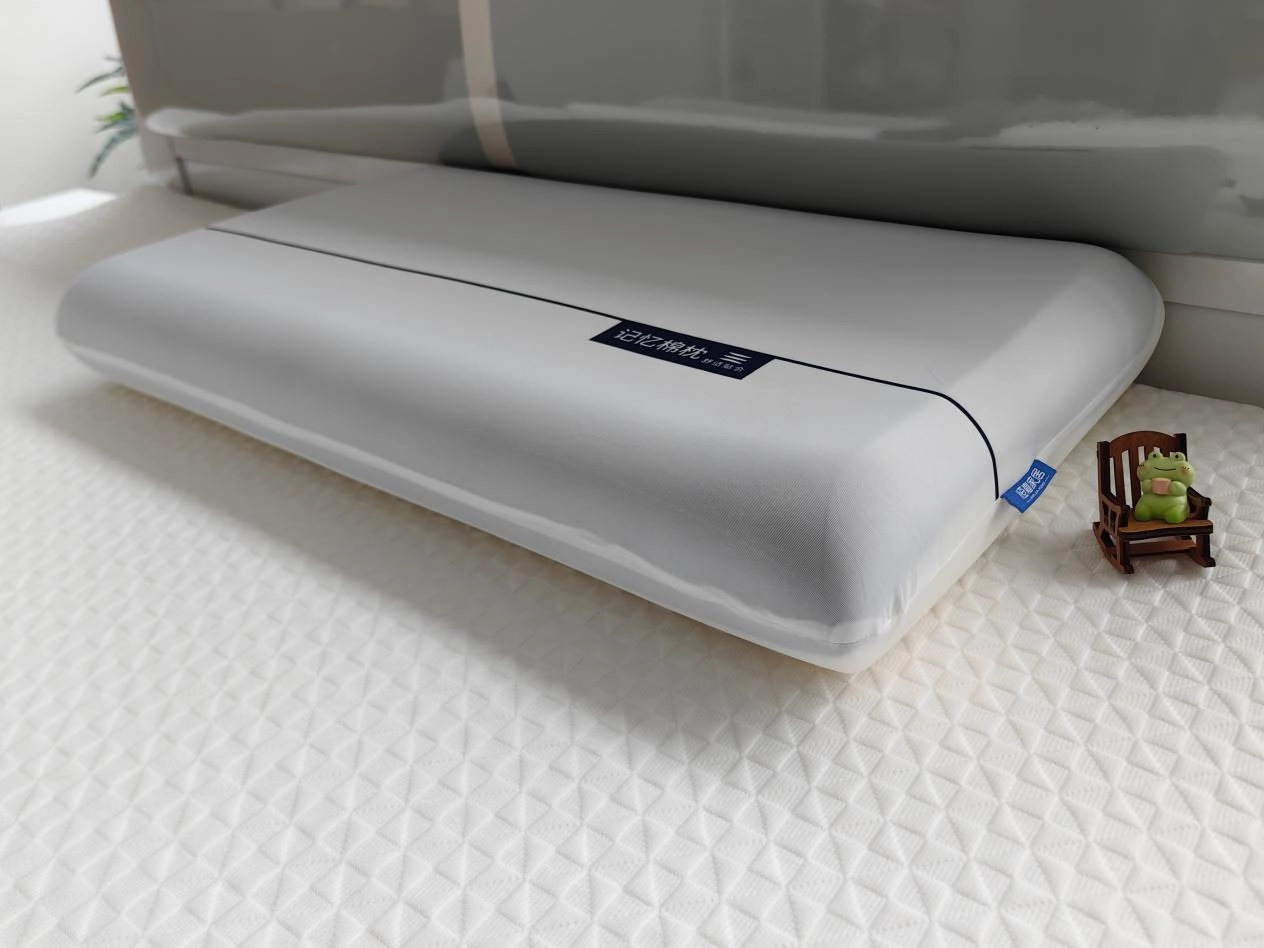
Nicht alle Memory Foam-Kissen sind gleich. Das Hotel-Speicher-Kissen die von den Gästen tatsächlich geliebt wird, hat bestimmte Materialeigenschaften, die sie von billigeren Alternativen abheben.
Memory Cotton vs. Standard-Gedächtnisschaum
Einige hochwertige Hotelkissen verwenden eine Hybridkonstruktion: einen Kern aus langsam rückfederndem Memory-Schaum, der mit Memory-Baumwolle geschichtet oder kombiniert ist. Memory-Baumwolle bietet ein etwas anderes Gefühl - weicherer erster Kontakt mit den gleichen anpassenden Eigenschaften darunter. Dieser zweischichtige Ansatz gibt den Gästen das plüschige Gefühl, das sie von Luxusbetten erwarten. Sie bietet dennoch die orthopädische Unterstützung, die ihren Schlaf tatsächlich verbessert.
Hypoallergene Eigenschaften
Ein gut verarbeitetes Memory Foam-Kissen ist von Natur aus resistent gegen Hausstaubmilben, Schimmel und Mehltau. Im Gegensatz zu Daunenkissen (die selbst nach professioneller Reinigung Allergene einschließen können) bietet Memory Foam mit hoher Dichte kein günstiges Umfeld für häufige Allergene. Dies ist ein bedeutender Vorteil für Hotels, in denen die Gäste unterschiedlich empfindlich auf Allergien reagieren. Eine Qualität Hotel-Speicher-Kissen kann daher ohne zusätzlichen Aufwand ein breiteres Spektrum von Besuchern bedienen.
Dauerhafte Dichte
Hotelkissen müssen ständig benutzt und häufig gewaschen werden. Ein für Hotels geeignetes Memory-Kissen besteht aus Schaumstoff mit hoher Dichte - in der Regel 50 kg/m³ oder mehr. Es ist fest genug, um eine gleichmäßige Unterstützung der Halswirbelsäule zu gewährleisten, aber weich genug, um sich den natürlichen Kurven anzupassen.
Quellen aus der Branche weisen darauf hin, dass gut hergestellter Memory Foam seine Struktur bei normalem Hotelwechsel fünf oder mehr Jahre lang beibehalten kann. Diese Langlebigkeit schlägt sich direkt in niedrigeren Ersatzkosten für Hotelbetreiber nieder.
Hotel-Memory-Kissen im Vergleich zu anderen Hotelkissenarten
Um zu verstehen, was die Hotel-Speicher-Kissen ist es hilfreich zu sehen, wie es im Vergleich zu den Alternativen abschneidet. In der nachstehenden Tabelle werden die vier gängigsten Kissenarten verglichen, die heute in Hotelzimmern zu finden sind.
| Merkmal | Memory-Schaum | Daunen/Federn | Latex | Synthetik/Mikrofaser |
|---|---|---|---|---|
| Art der Unterstützung | Konturierung, langsamer Rückprall | Weich, formbar | Schwungvoll, reaktionsschnell | Weiche, gleichmäßige Füllung |
| Druckentlastung | Ausgezeichnet - verteilt das Gewicht gleichmäßig | Schlecht - lässt den Kopf ungleichmäßig sinken | Gut - reaktionsschnell, aber weniger konturiert | Mäßig |
| Ausrichtung der Wirbelsäule | Superior - hält die natürliche zervikale Krümmung | Schwach - bietet wenig strukturierte Unterstützung | Gut - stützt ohne zu sinken | Mäßig |
| Dauerhaftigkeit | 3-5+ Jahre bei richtiger Pflege | 2-3 Jahre vor Abflachung | 5-10 Jahre | 1-2 Jahre |
| Allergikerfreundlichkeit | Hypoallergen, staubmilbenresistent | Kann Allergene abfangen | Natürlich hypoallergen | Hypoallergen |
| Wartung | Nur punktuell reinigen | Professionelle Reinigung erforderlich | Fleckenreinigung, teilweise waschbar | Maschinenwaschbar |
| Kosten | Mittel bis hochwertig | Hoch (Luxussegment) | Mittel bis hochwertig | Gering bis mittel |
| Am besten für | Gäste mit Nackenproblemen, Rücken-/Seitenschläfer | Gäste, die plüschige, traditionelle Weichheit suchen | Gäste wünschen sich eine dauerhafte, kühle Schlafmöglichkeit | Budgetbewusste, vielseitige Bedürfnisse |
Memory Foam ist nicht für jeden Gast die richtige Wahl. Aber für die große Gruppe der Reisenden, die mit Nackenschmerzen, Schnarchen oder unbeständiger Schlafqualität zu kämpfen haben, ist er herkömmlichen Optionen durchweg überlegen. Aus diesem Grund wird Memory Foam in gehobenen Hotels zunehmend als eigene Kategorie in die Kissenkarte aufgenommen. Und das ist genau der Punkt, an dem die Hotel-Speicher-Kissen am hellsten leuchtet.
Wer profitiert eigentlich von einem Hotel-Gedächtnis-Kissen?
Eines der klügsten Dinge, die Hotels in den letzten Jahren getan haben, ist die Abkehr von dem Ansatz, dass ein Kissen für alle passt. Die Schlafpositionen der Gäste sind sehr unterschiedlich. Ein einziger Kissensatz führt unweigerlich dazu, dass sich einige Gäste unwohl fühlen. Lassen Sie uns aufschlüsseln, welche Schläfer am meisten von einem Hotel-Speicher-Kissen.
-
Seitenschläfer
Seitenschläfer brauchen von allen Schlafpositionen die stärkste Unterstützung. Der Abstand zwischen ihrem Ohr und der Matratzenkante ist am größten. Eine gut konzipierte Hotel-Speicher-Kissen bietet genügend Dichte, um den Nacken an der Wirbelsäule auszurichten, ohne durchzuhängen. Einige ergonomische Kissen haben auf einer Seite einen höheren Loft, speziell für Seitenschläfer, und eine niedrigere Kontur für Rückenschläfer.
-
Rückenschläfer
Rückenschläfer profitieren am meisten von konturierten Memory-Foam-Kissen. Die Nackenstütze verhindert, dass sich der Kopf zu weit nach vorne oder hinten neigt. So bleibt die Wirbelsäule die ganze Nacht über neutral ausgerichtet. Das ist besonders wichtig für Gäste, die häufig reisen und bereits mit Steifheit von Flügen oder langen Autofahrten zu kämpfen haben.
-
Magenschläfer
Bauchschläfer benötigen die weichsten, flachsten Kissen, um eine Überstreckung des Nackens zu vermeiden. Während Memory Foam im Allgemeinen zu dicht für Bauchschläfer ist, sind viele Hotel-Speicher-Kissen Die Modelle sind mit verstellbaren Schichten ausgestattet. Die Gäste können Füllmaterial entfernen, um ein niedrigeres Profil zu erhalten.
-
Gäste mit chronischen Nackenschmerzen
Für die Millionen von Reisenden, die bereits mit Problemen der Halswirbelsäule zu kämpfen haben, ist ein richtig stützendes Kissen nicht nur ein Komfortwunsch - es ist eine medizinische Notwendigkeit. Die Fähigkeit von Memory Foam, sich ohne übermäßiges Zurückdrücken anzupassen, macht es zur bevorzugten Wahl für Gäste, die mit Beschwerden zu kämpfen haben, die von leichter Steifheit bis hin zu diagnostizierter Spondylose der Halswirbelsäule reichen. In diesen Fällen ist ein Hotel-Speicher-Kissen kann buchstäblich den Unterschied zwischen einer erholsamen Nacht und einem schmerzhaften Morgen bedeuten.
Die Kissenmenü-Methode: Den Gästen geben, was sie wirklich wollen
Hotels, die sich ernsthaft um die Schlafzufriedenheit ihrer Gäste bemühen, legen nicht mehr nur einen einzigen Kissensatz auf das Bett und hoffen auf das Beste. Das Kissenmenü - eine kuratierte Auswahl an Kissen mit verschiedenen Härtegraden, Füllungen und Empfehlungen für die Schlafposition - ist mittlerweile Standard in der Luxusgastronomie.
Ein gut durchdachtes Kissenmenü umfasst in der Regel Folgendes:
-
Weiche Kissen für Bauchschläfer oder Gäste, die ein plüschiges, einsinkendes Gefühl bevorzugen
-
Medium-Kissen für Rückenschläfer oder Gäste, die während der Nacht die Position wechseln
-
Feste Kissen für Seitenschläfer oder Gäste, die eine strukturierte Nackenstütze benötigen
-
Spezialisierte Optionen Memory-Schaum-Kissen, kühlende Gel-Kissen oder hypoallergene Alternativen
In den Richtlinien der Branche wird darauf hingewiesen, dass die Speisekarten für Kissen übersichtlich und informativ sein sollten, ohne die Gäste mit einer zu großen Auswahl zu überfordern. Memory Foam-Kissen nehmen in diesem Menü eine besondere Nische ein: Sie sind die feste Option, die von Gästen mit besonderen Stützbedürfnissen namentlich angefordert wird. Hinzufügen einer speziellen Hotel-Speicher-Kissen auf Ihrem Speiseplan ist ein klares Signal, dass Ihnen die Gesundheit der Wirbelsäule und ein tiefer Schlaf wichtig sind.
Aber zahlt sich diese Investition tatsächlich aus? Schauen wir uns die Ergebnisse in der Praxis an.
Ergebnisse aus der realen Welt: Was passiert, wenn Hotels aufrüsten
Der wirtschaftliche Nutzen einer Umstellung auf hochwertige Memory-Kissen für Hotels wird durch messbare Ergebnisse unterstützt. Hotels, die anpassbare Bettwarenoptionen einführen, konnten einen Rückgang der Gästebeschwerden im Zusammenhang mit dem Schlaf um etwa 38% verzeichnen - eine bemerkenswerte Verbesserung bei nur einer Produktkategorie.
Die Vorteile gehen jedoch über die Reduzierung von Beschwerden hinaus:
Bessere Online-Bewertungen. In Gästebewertungen werden die Kissen nur selten namentlich erwähnt - bis etwas schiefgeht. "Unbequeme Kissen" taucht immer wieder in negativen Bewertungen auf allen Buchungsplattformen auf. Die Beseitigung dieser Beschwerdekategorie verbessert direkt die Gesamtbewertung.
Erhöhte Direktbuchungen. Hotels, die in therapeutisch wirksame Kissen investieren, haben nachweislich nach der Aufrüstung der Betten weitere Buchungen vorgenommen. Dies beweist, dass Investitionen in die Schlafqualität zu messbaren Erträgen bei der Gästetreue führen.
Umsatzchancen im Einzelhandel. Dies ist der unerwartete Gewinn. Wenn Gäste auf einem Hotelkissen außergewöhnlich gut schlafen, wollen sie es auch kaufen. Die Deep-Sleep-Gedächtnisschaum-Kissenserie eines Anbieters für das Gastgewerbe wurde über 10 Millionen Mal verkauft. Diese Nachfrage wurde zum Teil dadurch angeheizt, dass Hotelgäste nachfragten, wo sie die Kissen kaufen könnten, die sie während ihres Aufenthalts erlebt hatten. Für Hotels ist die Partnerschaft mit einem Qualitäts Hotel-Speicher-Kissen Anbieter schafft einen zusätzlichen Umsatzkanal. Sie können Verkaufsdisplays in den Zimmern oder E-Commerce-Empfehlungsprogramme nutzen.
Was Sie bei einem Anbieter von Memory-Kissen für Hotels beachten sollten
Wenn Sie als Hotelbesitzer, Einkaufsleiter oder Berater für das Gastgewerbe Kissenoptionen bewerten, finden Sie hier die spezifischen technischen Spezifikationen, die Premium-Kissen auszeichnen Hotel-Speicher-Kissen Produkte von handelsüblichen Alternativen zu unterscheiden.
-
Rückprallzeit
Vergewissern Sie sich, dass der Memory Foam eine langsame Rücksprungrate von drei bis fünf Sekunden hat. Ein schnellerer Rückprall bedeutet weniger Konturierung. Ein langsamer Rückprall kann sich zu weich anfühlen oder nicht ansprechen.
-
Dichte Bewertung
Achten Sie auf eine Schaumstoffdichte von 50 kg/m³ oder mehr. Schaumstoffe mit geringerer Dichte werden schneller komprimiert und verlieren ihre stützenden Eigenschaften eher nach Monaten als nach Jahren regelmäßiger Nutzung.
-
Bezugsmaterial und Pflege
Hotelkissen benötigen Bezüge, die einer kommerziellen Wäsche standhalten können. Abnehmbare, waschbare Bezüge mit hoher Atmungsaktivität sind für Hygiene und Langlebigkeit unerlässlich. Antistatische, staubmilbenhemmende und antibakterielle Behandlungen sind ein Mehrwert für allergiebewusste Gäste.
-
Zertifizierungen und Sicherheitsstandards
Vergewissern Sie sich, dass das Kissen die für Ihre Region geltenden Sicherheits- und Umweltnormen erfüllt. Qualitätsanbieter stellen Unterlagen über die Schaumstoffzusammensetzung, VOC-Emissionen und die Einhaltung der Brandschutzvorschriften zur Verfügung.
Implementierungstipps für Hotels
Die Umstellung Ihres Kisseninventars ist nicht kompliziert, aber wenn Sie es mit Bedacht tun, macht es einen Unterschied beim Empfang der Gäste.
Phase der Markteinführung. Stellen Sie vor. Hotel-Gedächtnis-Kissen als Option in Ihr Kissenmenü aufnehmen, bevor Sie sie zur Standardausstattung für jedes Bett machen. Beobachten Sie das Feedback Ihrer Gäste und passen Sie es anhand der tatsächlichen Reaktionen an.
Schulen Sie Ihr Empfangspersonal. Wenn Gäste nach den verschiedenen Kissenoptionen fragen, sollte Ihr Team den Unterschied zwischen Memory-Schaum und anderen Kissenarten erklären können. Eine fachkundige Empfehlung schafft Vertrauen.
Machen Sie die Verbindung zum Einzelhandel deutlich. Wenn Sie Kissen an Gäste verkaufen wollen, legen Sie eine kleine Karte auf das Kissen selbst - nicht in ein Zimmerverzeichnis. Der beste Zeitpunkt für einen Verkauf ist, wenn der Gast den Komfort aus erster Hand erfährt.
Daten sammeln. Verfolgen Sie kissenbezogene Gästekommentare vor und nach Ihrem Wechsel. Nutzen Sie sowohl quantitative Kennzahlen (Beschwerdevolumen) als auch qualitatives Feedback (Erwähnungen in Bewertungen), um die Auswirkungen zu messen.
Umwelt- und Gesundheitsaspekte
Hotels sehen sich zunehmend mit der Frage nach den von ihnen verwendeten Materialien konfrontiert, und Memoryschaum-Kissen bilden da keine Ausnahme. Hier ist, was verantwortungsbewusste Käufer wissen sollten.
Ausgasung. Qualitativ minderwertige Memory-Foam-Produkte können im Neuzustand flüchtige organische Verbindungen (VOC) ausstoßen, die einen chemischen Geruch erzeugen, den Gäste als unangenehm empfinden. Premiumhersteller haben dieses Problem durch verbesserte Produktionsverfahren weitgehend gelöst. Wenn Sie bei einer Probe einen starken chemischen Geruch feststellen können Hotel-Speicher-Kissenist das ein Warnsignal.
Dauerhaftigkeit als Nachhaltigkeit. Ein Gedächtnisschaumkissen, das fünf Jahre hält, hat im Vergleich zu einem synthetischen Kissen, das alle 18 Monate ausgetauscht werden muss, einen wesentlich geringeren ökologischen Fußabdruck. Langlebigkeit ist ein übersehenes Kriterium für Nachhaltigkeit. Die Wahl eines langlebigen Hotel-Speicher-Kissen reduziert den Abfall im Laufe der Zeit.
Recycling-Programme. Einige Hersteller von Memory Foam bieten inzwischen Rücknahmeprogramme für ausgediente Kissen an. Für Hotelketten mit hohem Kissenumsatz reduzieren diese Programme die Kosten für die Abfallentsorgung und unterstützen gleichzeitig das Engagement für die Umwelt.
Die Quintessenz für Hoteliers
Investitionen in Qualität Hotel-Gedächtnis-Kissen ist eine der Entscheidungen mit dem höchsten ROI, die ein Hotel in der Kategorie Weichwaren treffen kann. Der anfängliche Kostenunterschied zwischen einem einfachen synthetischen Kissen und einem hochwertigen Memory Foam-Kissen ist bescheiden - oft weniger als der Preis für eine einzige Übernachtung. Die nachgelagerten Vorteile - höhere Gästezufriedenheit, weniger Beschwerden, positive Online-Bewertungen und potenzielle Einzelhandelseinnahmen - rechtfertigen die Investition ohne weiteres.
Und für Reisende? Der wachsende Chor von Gästen, die diese Kissen mit nach Hause nehmen wollen, sagt alles, was Sie wissen müssen. Wenn Sie einmal eine Nacht mit echter Nackenstütze, tiefem Schlaf ohne Druckstellen und der völligen Abwesenheit von morgendlicher Nackensteifheit erlebt haben, sind Standardkissen einfach nicht mehr zu gebrauchen. Diese Erfahrung beginnt mit einem einzigen Hotel-Speicher-Kissen die tatsächlich hält, was sie verspricht.
FAQ
1. Was genau ist ein Hotel-Memory-Kissen?
A Hotel-Speicher-Kissen ist ein Kissen aus langsam rückfederndem Memory-Schaumstoff, das sich der Form Ihres Kopfes und Nackens anpasst. Es stützt die Halswirbelsäule und entlastet den Druck, wie man es von gehobener Hotelbettwäsche kennt.
2. Sind Memory-Foam-Kissen gut für Nackenschmerzen?
Ja. Kissen aus Memory-Schaumstoff erhalten die natürliche Krümmung der Halswirbelsäule und verteilen das Gewicht des Kopfes gleichmäßig, was bei den meisten Benutzern Spannungskopfschmerzen, Nackensteifigkeit und Schmerzen im oberen Rückenbereich reduziert.
3. Wie lange hält ein Hotelkissen aus Memory-Schaumstoff?
Kissen aus hochdichtem Memory-Schaum behalten ihre stützenden Eigenschaften bei normalem Gebrauch drei bis fünf Jahre oder länger bei, während sie bei herkömmlichen synthetischen Kissen nur ein bis zwei Jahre halten.
4. Schlafen Kissen aus Memory Foam warm?
Herkömmlicher Memory-Schaum kann Wärme speichern, aber viele Kissen in Hotelqualität enthalten heute mit Gel infundierten Schaum, atmungsaktive Bezüge oder offenzellige Strukturen, die die Luftzirkulation und Temperaturregulierung verbessern.
5. Kann ich das gleiche Kissen kaufen, das mein Hotel verwendet?
Viele Hotels arbeiten inzwischen mit Herstellern zusammen, die ihre Kissen im Einzelhandel anbieten. Erkundigen Sie sich an der Rezeption oder suchen Sie in Ihrem Zimmer nach Informationen zum Kauf.
Sind Sie bereit, den Unterschied zu erleben?
Ganz gleich, ob Sie als Hotelbesitzer Ihr Gästeerlebnis verbessern wollen oder als Reisender, der endlich das Kissen in seinem eigenen Schlafzimmer haben möchte, Hotel-Gedächtnis-Kissen bieten messbare Verbesserungen bei der Schlafqualität, der Nackenstütze und dem allgemeinen Komfort.
Bitte zögern Sie nicht, uns bei Fragen oder Bedürfnissen jederzeit zu kontaktieren.
