
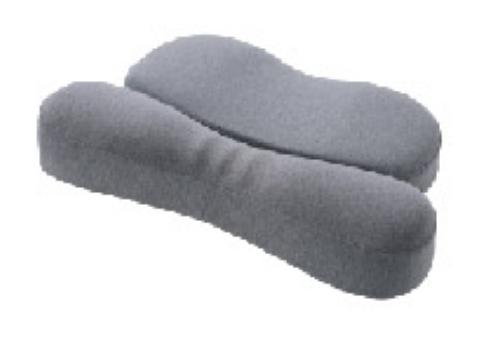
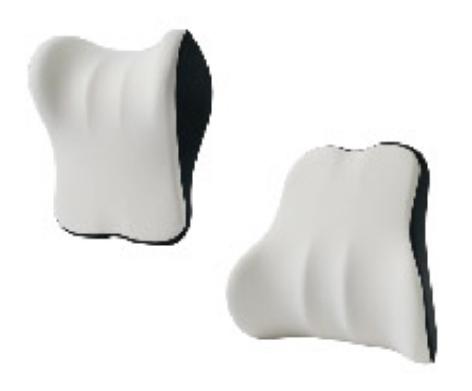

مقاعد السيارة! The primary factor associated with comfort and driving experience inside a vehicle. Over the past few decades, significant changes have taken place in the design of automotive seats related to materials, ergonomics, and technological aspects. Today’s car seat is an integration of three major sciences-safety science, comfort science or innovation for comfort ,and user-oriented functionality that supports both driver and passengers during long travel as well as short commutes within the city.
The guide contains details on processes of design, manufacturing, and optimization for performance in car seats. The guide also runs through different types of car seats, main materials used, safety standards that apply to the industry, considerations towards consumer expectations and evolving technologies which include trends within the industry shaping the future of automotive seating.
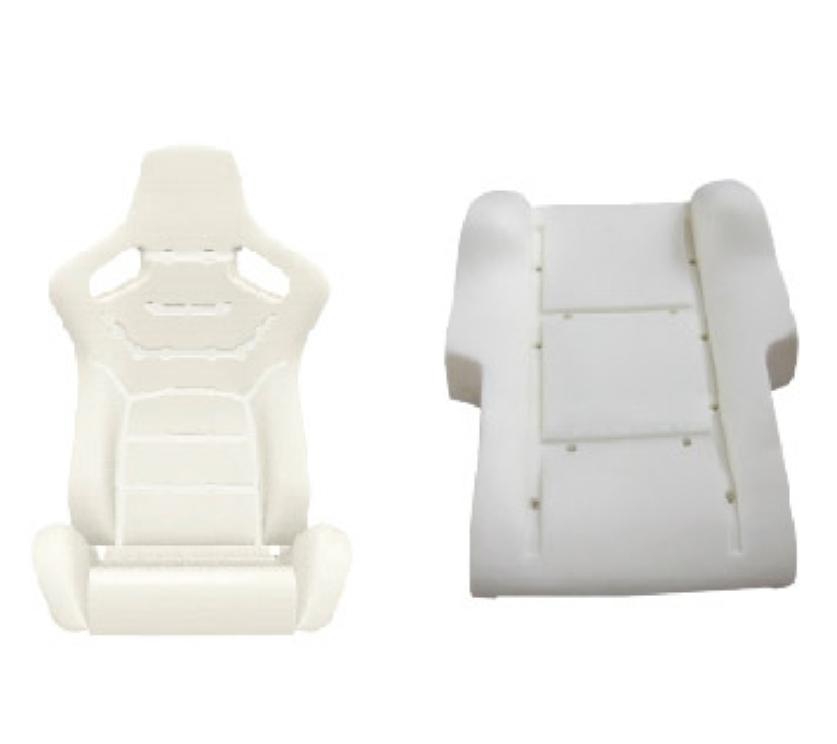
The Role of Car Seats in Vehicle Safety and Comfort
Car seats are far more complex than simple cushions placed inside a vehicle. They are engineered with structural frameworks, energy-absorbing materials, ergonomic contours, and integrated safety systems to protect occupants and offer maximum comfort.
Car Seats as a Core Safety Component
Modern car seats are part of a vehicle’s safety architecture. They support the head, spine, shoulders, and hips while working with airbags and seat belts to reduce injury risks. Car seats influence how effectively restraints function during sudden stops or collisions.
Car Seats as a Comfort and Experience Enhancer
Comfort remains a major factor in the design of car seats. Contouring, cushioning, lumbar support, fabric choice, heat management, and adjustability all contribute to a pleasant driving or riding experience.
The Balancing Act Between Comfort and Safety
Achieving both safety and comfort requires engineering precision. Too-soft seats may compromise safety, while overly firm seats reduce comfort. Leading automakers continually refine this balance through advanced materials and innovative structural designs.
Types of Car Seats and Their Unique Characteristics
Car seats come in several categories, each engineered for a specific vehicle type, user group, or functional need.
Standard Front Car Seats
These are mainly the driver’s seat and the front passenger’s seat in most vehicles. They consist of ergonomic contours, head restraints, and safety features added by side structure impacts. Modern car seats provide adjustment modes for different body shapes and driving positions.
Rear Car Seats
Rear seats differ by vehicle class and configuration. Standard sedans have bench-type rear seats while SUVs and minivans can also offer split-folding rear seats to increase the cargo area. Features found more commonly in the back seat of cars include ISOFIX anchors, a rear-seat entertainment system, and integration of airbags with seats.
Bucket Seats
Bucket seats are individually molded seats that provide enhanced support during performance driving. They are commonly used in sports cars due to their deep contours, which help maintain body stability during high-speed maneuvers.
Bench Seats
Bench seats remain common in older vehicle models and certain trucks. They accommodate multiple passengers on a single seat structure, although they offer fewer comfort and adjustment options compared to modern alternatives.
Captain Seats
Captain seats are individual rear seats typically found in SUVs, MPVs, and luxury minivans. They provide armrests, increased legroom, and superior comfort, making them ideal for premium travel experiences.
Child Car Seats
Child car seats are critical safety devices, covering infant carriers, convertible child seats, and booster seats. These have to meet very stringent regulations on safe construction-involving the use of long-lasting materials as well as side impact protection and harness systems-construction features that manufacturers integrate into their products.
Luxury and Performance Car Seats
High-end vehicles feature seats made with premium leather, advanced cushioning, massage functions, heating and cooling modules, and digital adjustment memory presets. These seats enhance comfort and reflect the vehicle’s luxury positioning.
Materials Used in Modern Car Seats
Car seats rely on a combination of materials that contribute to safety, comfort, durability, and aesthetics.
Structural Materials
Car seats have metal frameworks typically made from high-strength steel or aluminum. The structure provides stability, crash resistance, and support for airbag modules. Lightweight alloys reduce vehicle weight and improve fuel efficiency.
Foam Cushioning
Polyurethane foam is widely used in car seats due to its ability to maintain shape while providing comfort. Advanced foam types include memory foam, dual-layer foam, and composite cushioning with customized density zones to support different body pressure points.
Upholstery Materials
Car seats are available in the following wide range of upholstery options:
- Fabrics made from polyester blends.
- Leather, mostly in luxury vehicles.
- Synthetic leather, because it is durable and less expensive.
- Suede and alcantara, in premium sports models.
- Mesh material for better breathability.
New advanced textile materials that are stain-resistant and waterproof.
The suitability of these different materials depends on the climate, user preference, and class of vehicle.
Add-On Materials for Enhanced Comfort
Heated and ventilated seats include air channels, small fans, or heating coils. Massaging seats incorporate mechanical modules that activate targeted pressure zones.
Ergonomic Design Features in Modern Car Seats
Ergonomics plays a major role in car seat performance. A well-designed seat reduces fatigue, prevents discomfort during long drives, and supports natural posture alignment.
Lumbar Support
Adjustable lumbar support helps maintain the spine’s natural curve, reducing back strain. Some car seats feature multi-directional lumbar adjustment controlled electronically.
Headrests and Neck Support
Headrests are critical for preventing whiplash injuries. Modern headrests adjust in height and angle to match different body types.
Seat Contouring
Car seat contours are strategically designed based on anthropometric data. These curves help distribute body pressure evenly and minimize fatigue.
Seat Dimensions
Seat width, depth, and height influence comfort and accessibility. Automakers adjust seat dimensions according to vehicle type, regional preferences, and consumer expectations.
Adjustability Functions
Common adjustments include height, recline, tilt, forward/backward positioning, and headrest movement. Luxury models may offer 12–24-way electronic adjustments for precision comfort.
Safety Technology Integrated Into Car Seats
Car seats are engineered with a variety of safety systems to protect occupants during collisions.
Side-Impact Protection
Side-impact airbags are often integrated into car seats. These airbags deploy automatically when side collisions occur, protecting the torso and upper body.
Strengthened Frames and Energy-Absorbing Zones
Reinforced car seat frames improve stability. Energy-absorbing zones help dissipate crash forces away from occupants.
Seat Belt Integration
Some car seats incorporate built-in seat belts, particularly in third-row or specialty seating. Belt tensioners and load limiters work with the seat’s structure to optimize restraint performance.
Anti-Submarining Features
Anti-submarining design prevents passengers from sliding under the seat belt during a collision, reducing injury risks.
ISOFIX and LATCH Systems
These standardized systems allow child car seats to be securely attached to the vehicle body structure using metal anchor points, enhancing safety and reducing installation errors.
Manufacturing and Production Processes for Car Seats
Automotive seat manufacturing follows strict engineering standards to ensure durability, safety, and consistent quality.
Design and Prototyping
Car seats begin with digital design using CAD software. Engineers test structural and comfort models through simulations before building real prototypes.
Material Selection and Cutting
Fabrics and leather are cut using automated laser cutters for precision. Foam molds are created through chemical reactions or injection molding.
Assembly and Quality Control
Seat frames, foam parts, electronics, airbags, and upholstery are assembled in dedicated production lines. All final car seats undergo strict testing, including compression tests, durability cycles, fire resistance tests, and crash simulations.
Applications and Use Scenarios for Car Seats
Car seats serve various roles across vehicles and industries.
Passenger Cars
Modern sedans, SUVs, and compacts integrate car seats designed for comfort and efficiency. High-quality cushioning and advanced safety systems make daily commuting more enjoyable.
Commercial Vehicles
Trucks, buses, and delivery vehicles rely on supportive driver seats to reduce fatigue during long transportation hours.
Electric Vehicles
EVs incorporate futuristic seat designs with lightweight materials to improve efficiency. Many EVs offer slim-profile seats with integrated digital controls.
Ride-Sharing and Fleet Vehicles
Durability and easy-clean materials are prioritized for vehicles used in commercial ride services.
Luxury and High-Performance Automotive Markets
Premium car seats with massage, memory systems, and advanced ventilation elevate the driving experience in high-end models.
Children’s Transportation
Child car seats remain vital for safe travel. They must adhere to strict regulations that evolve based on research into child safety.
Trends Shaping the Future of Car Seats
Car seat innovation is accelerating due to evolving consumer preferences, regulatory changes, and new automotive technologies.
Smart Car Seats
Smart seats include sensors that measure posture, pressure distribution, temperature, and driver alertness. These sensors can warn drivers of fatigue or automatically adjust seat settings.
مواد مستدامة
Manufacturers are increasingly using recycled polyester, eco-friendly foam, and vegan leather to support environmental goals.
Lightweight Construction
To enhance fuel efficiency, automakers use magnesium, aluminum, and composite materials in car seat frames.
Modular Seat Platforms
Modular seats can be reconfigured for different driving needs. They enhance interior flexibility, especially in electric and autonomous vehicles.
Integration with Autonomous Driving
As autonomous driving technology advances, car seats may be designed to swivel, recline fully, or transform into lounge-style configurations for increased comfort.
Factors Consumers Consider When Choosing Car Seats
Consumers evaluate car seats based on several critical considerations.
Comfort Level
Seat cushioning, ergonomics, adjustability, and fabric type influence comfort.
Safety Performance
Presence of airbags, stability of the frame, crash test performance, and proper seat belt design are key safety priorities.
المتانة
High-quality materials are essential for long-term use, especially for families with children or commercial drivers.
سهولة التنظيف
Stain-resistant and washable materials are preferred by many consumers.
الجاذبية الجمالية
Color options, stitching patterns, and material finish affect the interior design of the vehicle.
Price and Value
Consumers compare cost with features such as adjustability, advanced technology, upholstery quality, and safety enhancements.
الخاتمة
Car seats have transformed from basic padded constructions to elaborate safety and comfort mechanisms deeply integrated with the chassis of contemporary automobiles. Advanced materials, ergonomic engineering, electronics, and green design feature components of the latest car seats. As a provider of intelligent mobility in the context of autonomous driving development, this will make an interior seat even more critical as part of that user experience.
Be it a passenger or commercial vehicle, even in the premium automotive segment, car seats remain basic foundations of occupant safety and comfort that add value to the vehicle. Continuous innovation means having enhanced future car seats with better provisions for protection as well as increasing ways by which people can interact within their vehicles.
